

MMSM partners with the Canada Plastics Pact
MMSM is excited to announce that we have joined more than 50 other organizations as a Partner of the Canada Plastics Pact (CPP). Our organization is committed to a building a circular economy and working with others to end plastic waste and pollution. (more…)
Battery Recycling
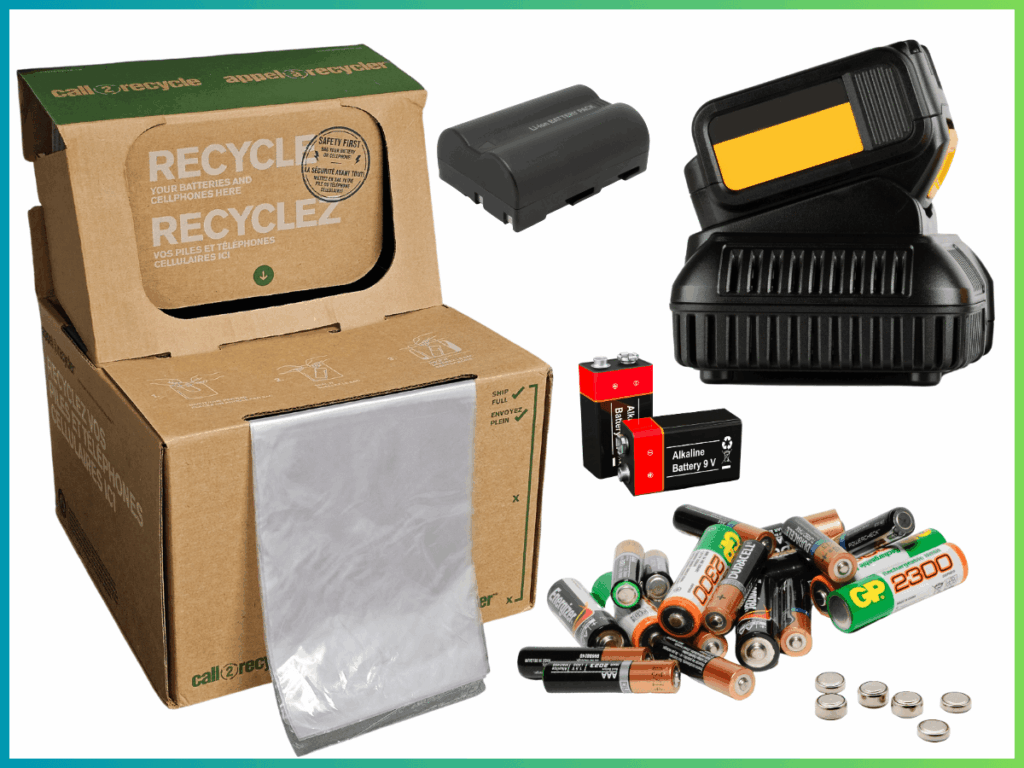
Many of the items we use in our day-to-day lives are powered by batteries. While these small items make using technology easier and more convenient, they can be harmful to the environment if not disposed of properly. Be sure to recycle your batteries in the right place. (more…)
Winter Recycling Tips
Winter in Manitoba comes with a whole other set of rules. Shovel your driveway and back lane so the snow doesn’t build up. Plug in your car so it will start in -40 C. Brush the snow off your car if it’s been sitting outside all night after a heavy snowfall. Sound familiar?
Putting your recycling out for collection in the winter comes with a few more things to keep in mind as well. Here are some tips for the rest of the season. (more…)
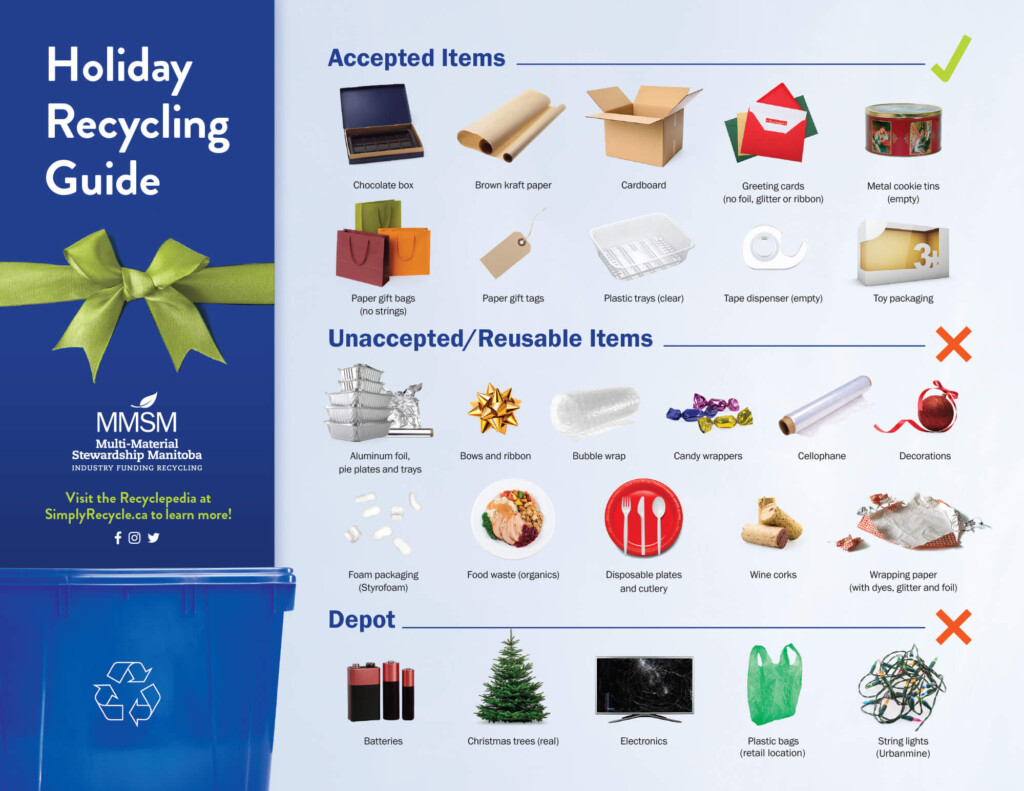
Made for Manitoba Holiday Recycling Guide
Multi-Material Stewardship Manitoba (MMSM) has developed a holiday recycling guide Manitobans can follow so they know what they can and can’t recycle this holiday season. The guide was developed as an easy to understand graphic with examples of common items that can be recycled, reused, donated, taken to a depot or other drop-off location. (more…)
Why Packaging Matters
Have you ever wondered why toys are packaged the way they are? Or why certain foods come prepackaged in plastic? To the average consumer this extra packaging may seem unnecessary, but for companies, having proper packaging is a way to ensure their products reach the final destination in one piece and not damaged. (more…)
Recycling Week in Manitoba!
Today is the first day of Waste Reduction Week, and the first day of Recycling Week in Manitoba! (more…)
We made an app!
Yup, you read that right, we made an APP! (more…)
Contamination in the Blue Bin
Contamination in the blue bin is an ongoing issue at the Material Recovery Facility (MRF) in Manitoba. These are the most common causes of contamination in the blue bin: (more…)
Five Places to Bring a Reusable Bag
Reusable bags are a great way to reduce the amount of plastic bags we use on an everyday basis while we’re out and about. Here are five places to bring a reusable bag, for those times when you need an extra hand.
- Convenience Stores/Drug Stores
Have you ever popped into the drug store intending to pick up one or two items, and end up leaving with an armful of stuff? Leaving with more than you originally planned will likely have you needing an extra plastic bag at the end. Save yourself the extra bag and bring a reusable one in with you instead.
- Farmers Market
It’s always great to support local businesses at farmers markets, even the majority of markets in Manitoba run during the warmer months. As you walk around, it’s hard not to buy all of the ripe, delicious fruits and vegetables from the many vendors. Definitely bring your reusable bags with you, so you can take home all of the things you find!
- Grocery Stores
This is probably one of the more obvious places to bring a reusable bag. Bringing your own bag is an easy way to save a bit of extra money at the checkout. Most stores are allowing customers to resume bringing their own bags for groceries but check with your local store to be sure.
Most stores have bins at the front of their stores where you can return your plastic bags for recycling. Find a drop-off location close to you:
- Restaurants
Depending on what type of cuisine you decide to have, more often than not, there’s some leftovers to bring home. We would recommend bringing one or two reusable bags to the restaurant, as you don’t know how many you’ll need until you’re finished the meal. Go the extra mile and bring your own reusable containers from home to pack your leftovers in!
- Retail Stores
You buy a sweater from one store, a pair of jeans from another and a few shirts at one more place on a shopping trip. It’s great to add some new pieces to your wardrobe, but now you also have three new plastic bags to bring home. Consider bringing a reusable bag next time you go shopping to save yourself the extra plastic.
It’s important to wash and wipe down your reusable bags, so they are clean and to avoid cross-contamination between groceries. Cloth and cotton bags can go in the washer and dryer. Reusable nylon bags can be wiped down with a disinfecting wipe and hung up to air dry before the next use.
If your fabric bags have reached the end of its life cycle, (eg. holes or tears in the bag), they can be dropped off for textile recycling. Find a drop-off bin near you here:
What is a Circular Economy?
MMSM and our stakeholders are committed to moving toward a circular economy. But what is a circular economy? This is where products and packaging are designed so resources can be reused and reinvested in new products.
How is this different from recycling? Rather than having to find recycling solutions after a product is designed and brought to market, the recovery and material reuse is part of the design and manufacturing process of the product from the very beginning.
Watch this video by the Ellen MacArthur Foundation that goes into more detail about the circular economy.
Many of our stewards are dedicated to developing smartly designed packaging that can be reused, recycled, and refurbished. Some also offer take-back programs for their products after use. Here are some examples of what our stewards are doing to move from a linear economy to a circular economy.
Danone
Danone has partnered with the Ellen MacArthur Foundation to embed principles of circular economy both inside and outside the company. Through this partnership, the Ellen MacArthur Foundation will transition Danone’s brands toward a circular economy.
Evian, one of Danone’s brands is committed to become a full circular brand by 2025, having all of their plastic bottles made from recycled plastic.
Unilever
The company has also partnered with the Ellen MacArthur Foundation on a strategic partnership to unlock economic opportunities along its supply chain, focused on circular economy. The partnership will focus on streamlining packaging and manufacturing material streams, so it becomes a source of value creation within the business and stakeholder community.
Nestle Waters
The Nestle Group will aim to make 100% of its packaging recyclable or reusable by 2025. The company will focus on three areas: eliminate non-recyclable plastics, encourage the use of plastics that allow improved recycling rates, and eliminate or change complex combinations of packaging materials.