Paper Cups Are Now Recyclable Across Manitoba
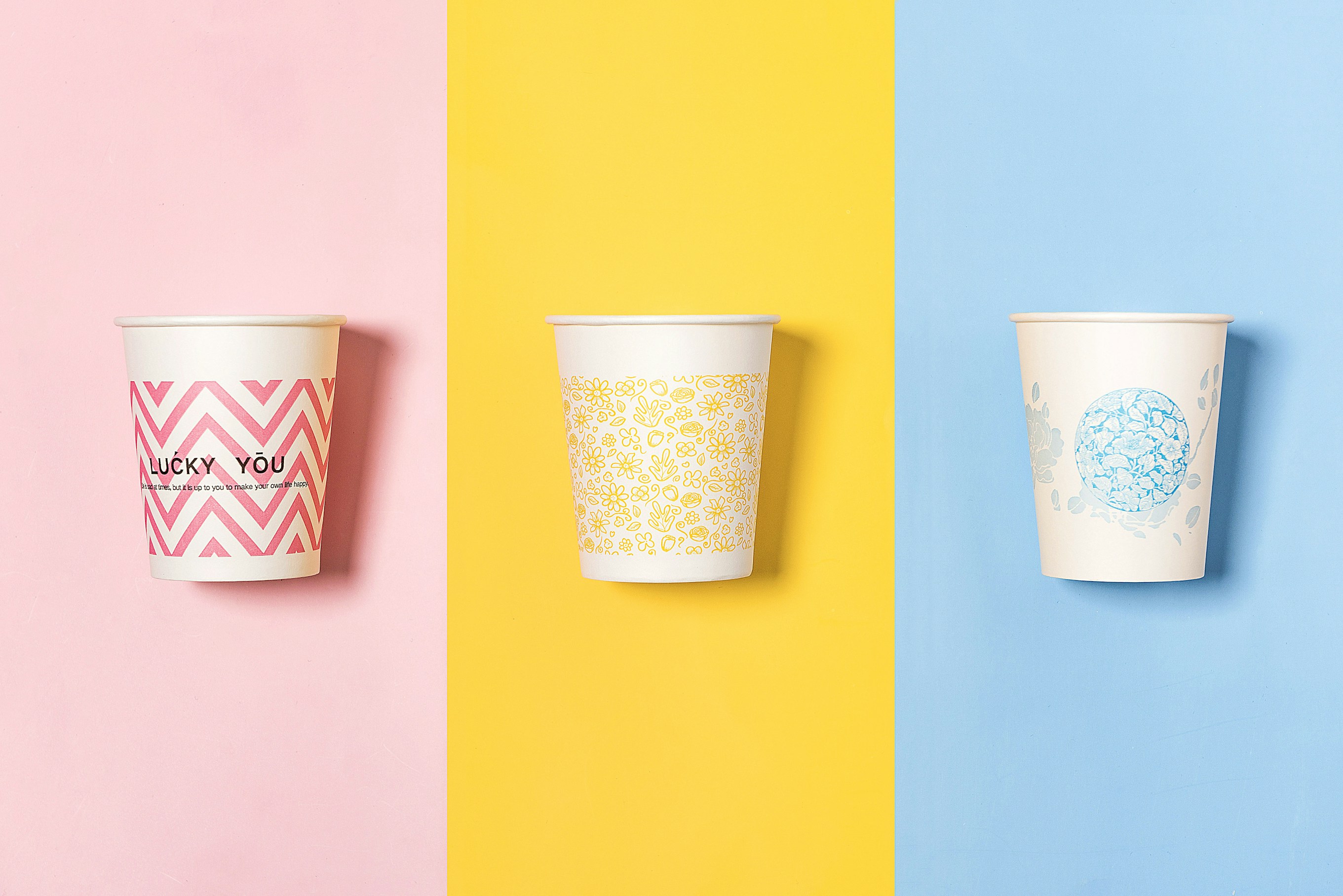
Paper cups have long been a point of confusion in recycling programs. They look like paper and feel like paper, so it seems like they should be recyclable like paper. Because of the other materials used to make them, many programs didn’t accept them. That has now changed.
Manitobans can recycle empty paper cups
Empty paper cups are now accepted for recycling across Manitoba. That includes coffee cups, fountain drink cups, Slurpee cups, and other paper cups. Next time you have one to recycle, here’s what to do.
How to recycle paper cups
Remove the lid, empty the cup, and put the cup in your recycling bin. Paper sleeves on coffee cups can stay on.
Emptying the cup matters: food, liquid, and other leftover contents can affect paper quality and hurt the recycling process.
Do not recycle
- Plastic lids for coffee cups
- Straws, stir sticks, or spoons
- Cups with liquid or food still inside
Why are paper cups now accepted?
Recycling programs can only accept paper items that paper mills are able to process. Paper cups have a thin coating that lets them hold liquid, and they’re often printed with strong dyes. Both make the cups harder to process and limit what mills can turn them into compared to plain paper and cardboard — which is why many programs historically left them out.
Our team worked with recycling partners to review processing requirements, paper market conditions, and local recycling data. We determined paper cups can now be responsibly managed across Manitoba’s household recycling system.
Reducing is still the best option
The best way to reduce waste is to use less. Most coffee shops let you use your own travel mug, and many takeout restaurants and convenience stores will fill a cup you bring yourself. Bring your own cup if you plan on getting a drink on the go.
If you forget your mug one morning, or stop for a soda this summer, go ahead and recycle the cup.
Which Shipping/Delivery Packaging to Recycle
Which Shipping/Delivery Packaging to Recycle
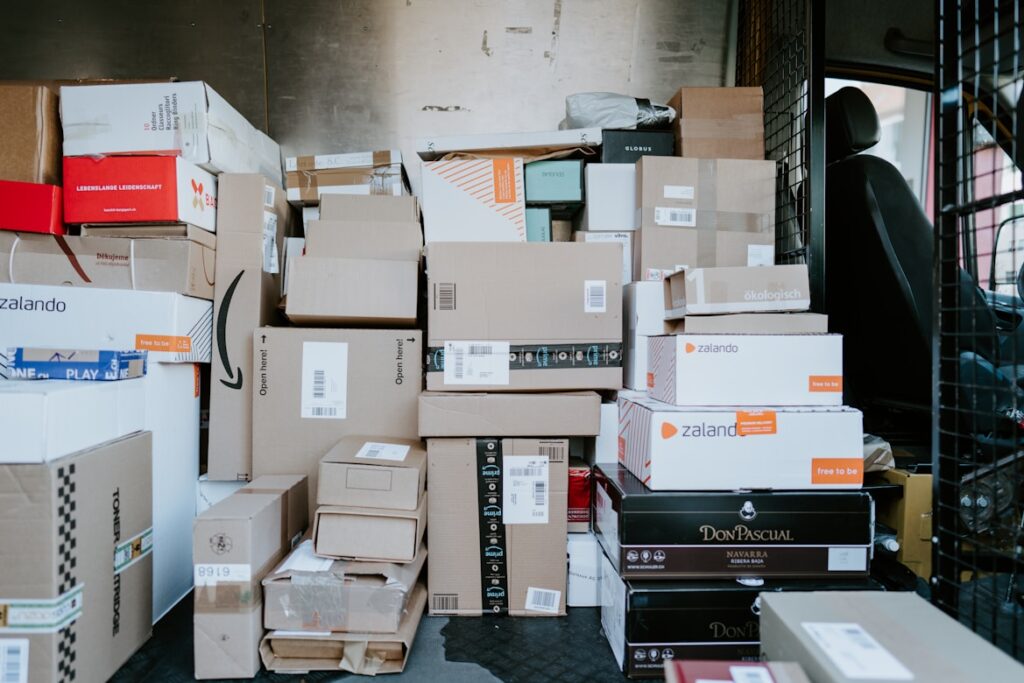
How much packaging do you go through during the holiday season? All the holiday shopping and Black Friday deals can leave you with mountains of boxes, bags, parcels, and plastics—especially if you shop online.
It’s important to know which packaging materials you can recycle in your blue bin, so the most wonderful time of year isn’t the most wasteful. It’s also important to know what can’t go in your blue bin, because recycling processors handle more material during the holiday season.
Use the list below to find out which common shipping materials are accepted or not accepted in Manitoba residential recycling programs.
Shipping packaging accepted for residential recycling
Cardboard boxes

Note:
- Staples, tape, and shipping labels don’t need to be removed (although it’s appreciated if you do).
- Do not nest other items inside of boxes; this can lead to materials being improperly sorted.
- Flatten and/or cut large boxes to fit them loosely in your blue bin.
Corrugated cardboard wrap/cushioning

Molded paper inserts

Kraft paper

Paper-padded envelope

Note: These packages are lined with soft padding made of paper and glue. They’re a recyclable alternative to plastic-padded envelopes.
Shipping packaging NOT accepted for residential recycling
Plastic-padded envelope

Note: These packages may have a paper or plastic exterior, but are lined with bubble wrap, which isn’t accepted for recycling.
Soft or rigid foam (e.g., Styrofoam)

Bubble wrap

Plastic air bags/pillows

Note: Some retailers accept plastic bags for recycling.
That covers the bulk of shipping packaging you’ll encounter. If you’re unsure if you can recycle something that isn’t on this list, try looking it up in the Recyclepedia or check out our holiday recycling guide.