

Which Shipping/Delivery Packaging to Recycle
How much packaging do you go through during the holiday season? All the holiday shopping and Black Friday deals can leave you with mountains of boxes, bags, parcels, and plastics—especially if you shop online.
It’s important to know which packaging materials you can recycle in your blue bin, so the most wonderful time of year isn’t the most wasteful. It’s also important to know what can’t go in your blue bin, because recycling processors handle more material during the holiday season.
Use the list below to find out which common shipping materials are accepted or not accepted in Manitoba residential recycling programs.
Shipping packaging accepted for residential recycling
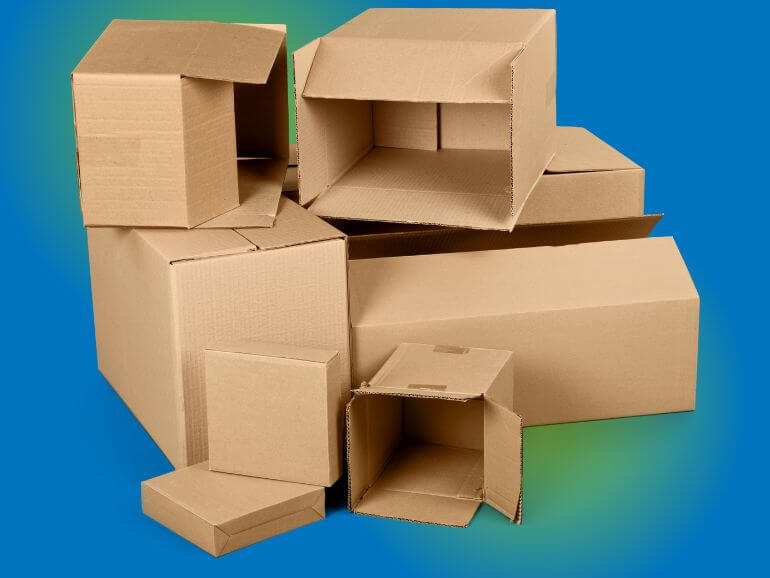
Cardboard boxes
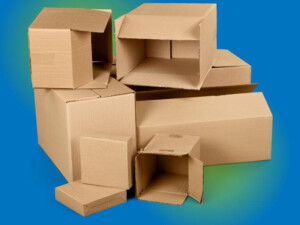
Note:
- Staples, tape, and shipping labels don’t need to be removed (although it’s appreciated if you do).
- Do not nest other items inside of boxes; this can lead to materials being improperly sorted.
- Flatten and/or cut large boxes to fit them loosely in your blue bin.
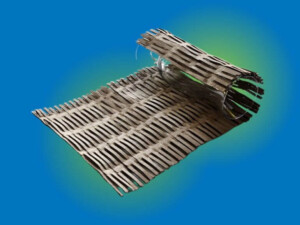
Corrugated cardboard wrap/cushioning
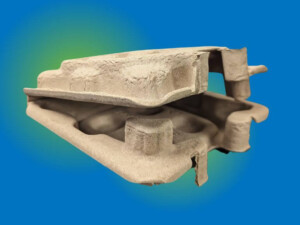
Molded paper inserts
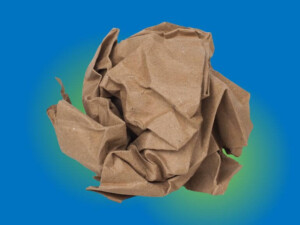
Kraft paper
Paper-padded envelope
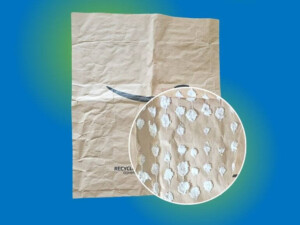
Note:
- These packages are lined with soft padding made of paper and glue. They’re a recyclable alternative to plastic-padded envelopes.
Shipping packaging NOT accepted for residential recycling
Plastic-padded envelope
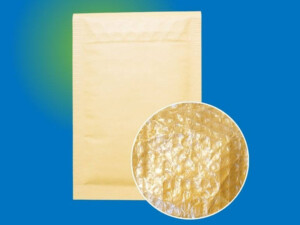
Note:
- These packages may have a paper or plastic exterior, but are lined with bubble wrap, which isn’t accepted for recycling.
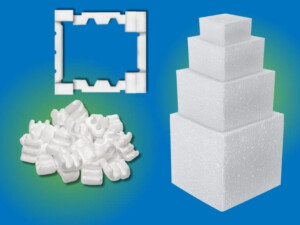
Soft or rigid foam (e.g., Styrofoam)
Bubble wrap
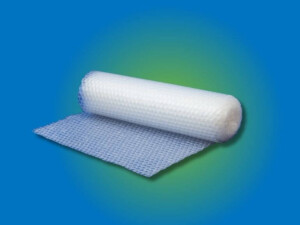
Plastic air bags/pillows
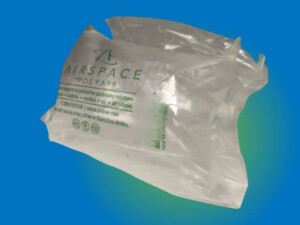
Note:
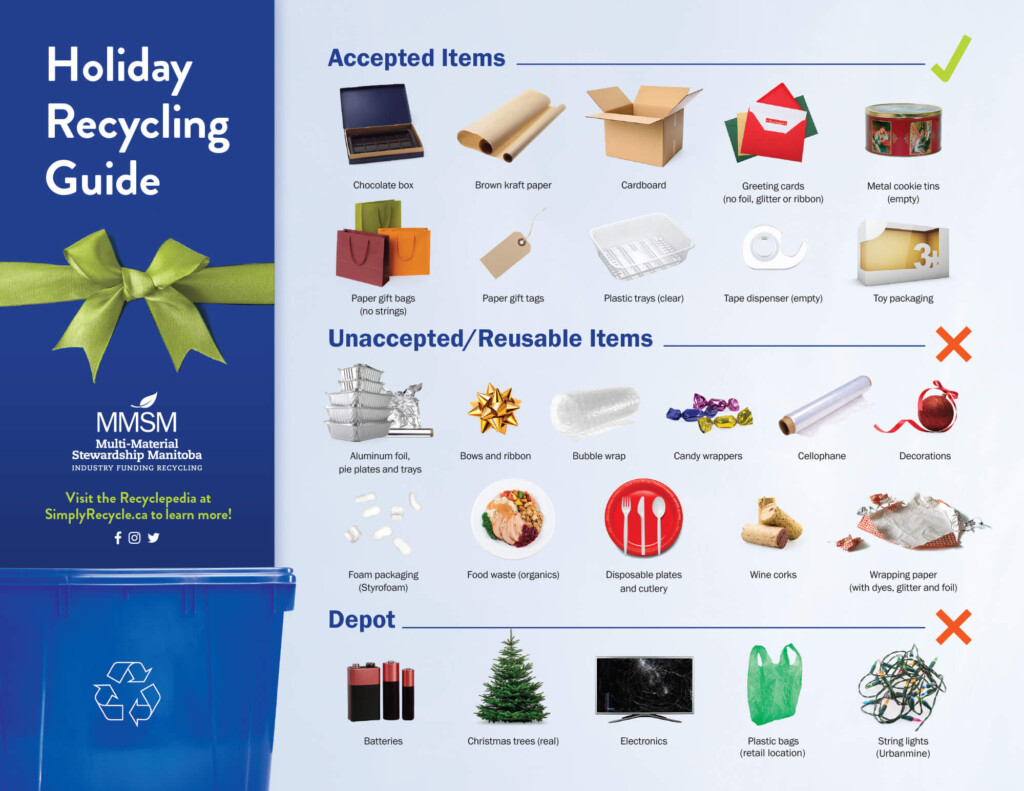
That covers the bulk of shipping packaging you’ll encounter. If you’re unsure if you can recycle something that isn’t on this list, try looking it up in the Recyclepedia or check out our holiday recycling guide.
Is the plastic in your blue bin getting recycled?
In recent years, you may have heard that only nine percent of plastic gets recycled. Wide misrepresentation of this statistic, among other reasons, has led many people to question whether the plastics they put in their blue bins are getting recycled. Some have even stopped recycling as a result, believing their recyclables (and their efforts) are going to waste.
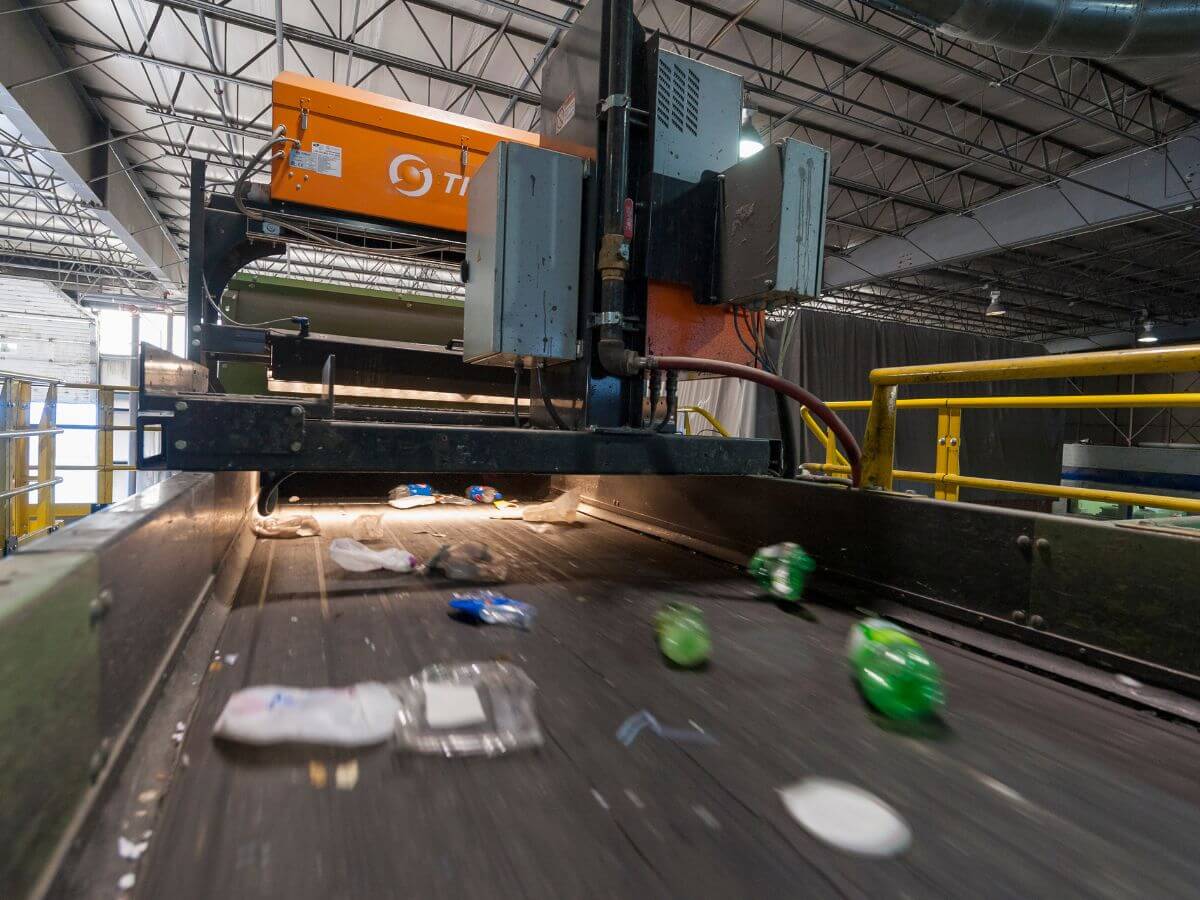
The reality is, nearly all recyclable plastic collected in Manitoba is recycled. Let’s look at what the 9 percent statistic really means, how much plastic Manitobans are recycling, and why plastic in the recycling stream occasionally can’t be recycled.
Is it true that nine percent of plastic is recycled?
In 2017, a study found that nine percent of plastic produced globally has been recycled. It gained a lot of media coverage and left many with a misunderstanding of what it means.
The statistic refers to all plastic ever made—recyclable and non-recyclable. Most plastics aren’t accepted for residential recycling due to the lack of end-markets or because they’re not recyclable. Although nine percent is a low number, it represents millions of tonnes of plastic annually that are kept out of landfills and environments across the world. As technology, public policy, and education improve, so will these numbers.
The next phase of Canada’s federal ban on several single-use plastics comes into effect in December 2023. Retailers and restaurants will no longer be able to offer plastic straws, food containers, stir sticks, and other single-use plastic items. The government estimates the ban will reduce Canada’s total annual plastic waste by about three percent. Other environmental groups estimate about a five percent reduction.
For now, the best way to eliminate plastic waste is to reduce consumption or reuse/repurpose items. But when that’s not possible, recycling accepted materials will keep them out of landfills.
What happens to my recycling in Manitoba?
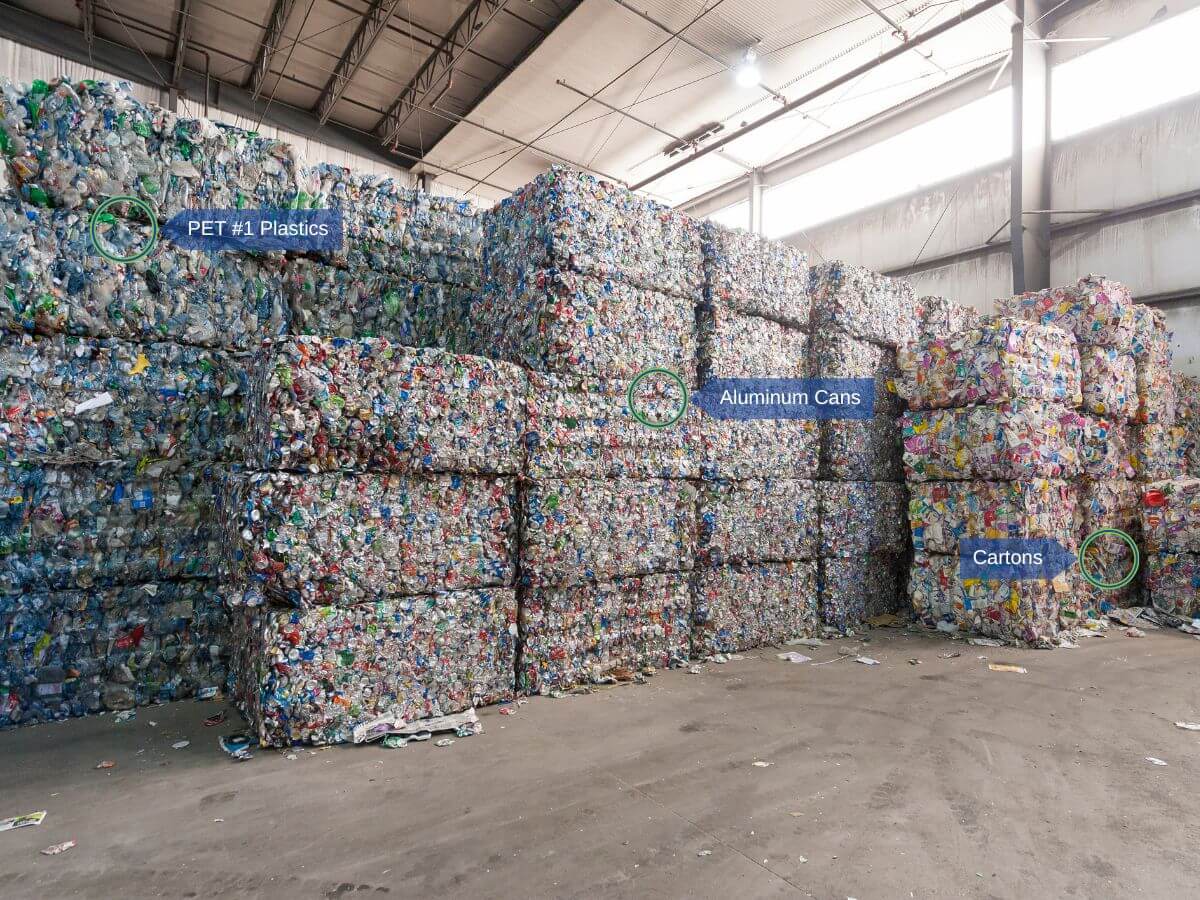
After being sorted, recyclables are compacted into bales before being transported to end markets.
Any accepted materials collected from your blue bin will get recycled unless they’re contaminated. Recycling contamination can occur in many forms. Thankfully plastic is much harder to contaminate than other materials. There are three main causes of plastic contamination:
- When containers contain excessive amounts of food or liquid.
- When recyclables are placed in opaque plastic bags or nested together.
- When unaccepted plastics are placed in the blue bin.
In Manitoba, there’s a 10-15% contamination rate in residential recycling. This means that 85-90% of materials collected are recycled. To avoid contaminating your recycling, it’s crucial to follow recycling guidelines in your area.
Like any other accepted material, once plastics have been sorted and baled, they’re shipped to an end market. MMSM monitors where communities are sending their recycling. They must ensure recyclables go to an acceptable end market to receive funding from MMSM—burning or sending materials to landfill is unacceptable. Recycling from Manitoba is shipped to end markets in Ontario, the U.S. and sometimes exported overseas depending on market conditions. Where they get sent depends on market conditions and can change daily.
The plastic collected from blue bins will get recycled, but we can only recycle as much as we collect.
How much recyclable plastic is recovered in Manitoba?
MMSM tracks recovery rates for all accepted materials in Manitoba each year. In 2020, Manitobans recycled 10,878 of the 23,692 tonnes of plastic packaging that entered the province. That’s a recovery rate of 45.9 percent—nearly double what it was 10 years ago at 23.3%.
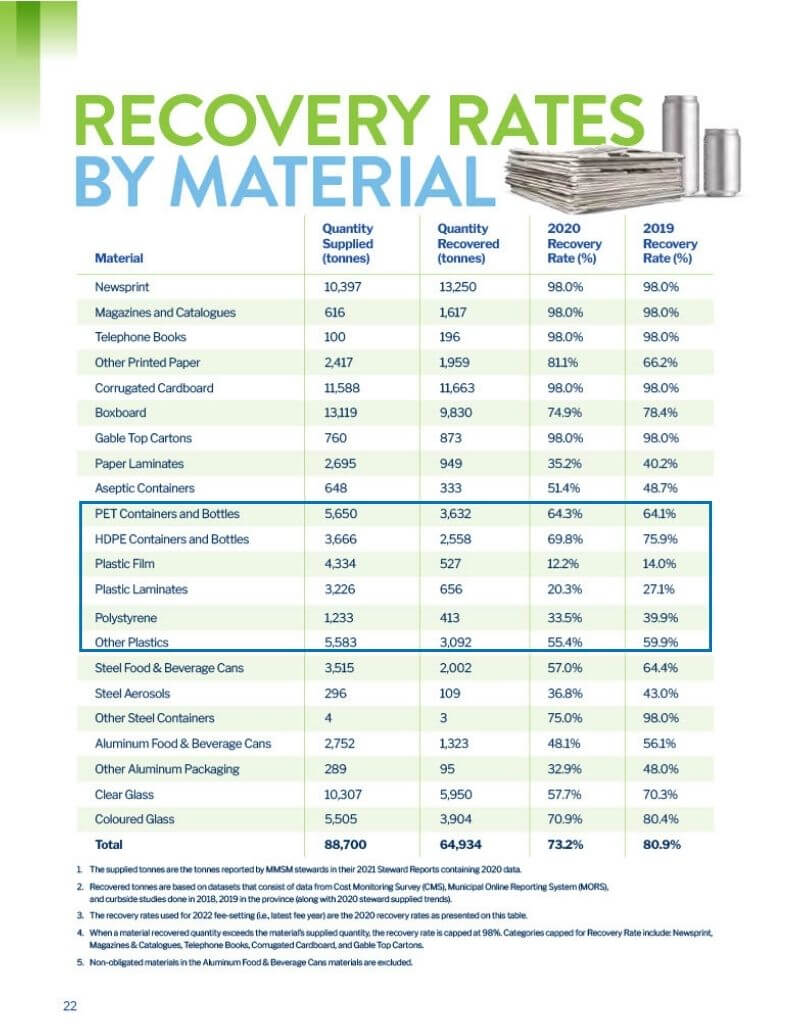
While there have been steady increases in recovery rates, there’s still lots of room to improve. Keep a recycling bin close to your garbage can, and if you’re unsure whether you can recycle something, look it up in the Recyclepedia. You can also view or print a recycling guide with common materials if you scroll past the Recyclepedia search tool.
Please recycle whenever you have the opportunity and encourage others. You can rest assured knowing that the items you roll out to the curb each week are being recycled.
Can You Recycle Plastic Bags in Manitoba?
For many years, we’ve encouraged consumers to use the 3Rs when it comes to plastic bags – reduce, reuse and recycle. Read more to learn why plastic bags aren’t accepted for recycling, and tips on what to do with the bags already in your home.
Plastic bags don’t belong in the blue bin
Plastic bags and film are recyclable, but not in your blue bin. When your recycling is picked up from the curb, it’s brought to the Material Recycling Facility (MRF). From there, recyclables pass through the sorting belts and machinery, get baled, then are shipped to be made into something new.
Plastic bags and film are problematic at the MRF for a few reasons. If a bag makes its way into the machinery, everything will need to be shut off so staff can manually remove the bags. This slows everything down and causes huge delays for baling recyclables.
Recyclables should be put in loosely, so they’re able to be sorted easily at the MRF. Bagged recyclables also pose a danger to the sorting staff because they can’t see what’s inside the bag – which could be anything, ranging from garbage, recyclables, or food waste.
Tips for reducing plastic bag waste
If plastic bags can’t be recycled in your curbside blue bin, what should you do?
When you’re out and about, remember to bring a reusable bag with you. Say “no” when a retailer offers you a plastic bag. We don’t need a bag (paper or plastic) for only a few items.
Where possible, reuse the bags in your home. Plastic bags can be reused for several things, such as:
- Stuffing/packing material
- Picking up pet wastes
- Garbage can liners
Also, remember to recycle the plastic bags already in your home. You can find a list of stores accepting plastic bags here.
When it comes to plastic bags, it’s important to remember the 3Rs – reduce your use of plastic bags, reuse the ones you already have, and recycle the ones that remain.
Back to Blue Bin Basics
September is a time for many of us to get back into a routine after taking summer holidays and enjoying the warm weather. With getting back into a routine, it’s a good time to familiarize yourself with what can go in the blue bin, and what to do with items that don’t belong. (more…)
Can you recycle Styrofoam?
Foam packaging, more commonly known as Styrofoam, is used in many kinds of packaging and miscellaneous items in our day-to-day lives. Styrofoam is one of the top-searched materials in the Recyclepedia with more than 500 views this month alone!
(more…)Debunking Recycling Myths
We’ll be the first to say it – the recycling industry is complex and is constantly changing. Because of this, the rules often change and there is a lot of misinformation about what gets recycled in the blue bin, or how recycling works in the province. Below, we debunk six myths about residential recycling and how the program works in Manitoba. (more…)
What is the Mobius Loop?
The Mobius Loop, or the recycling triangle, is known internationally as the universal recycling symbol. In Manitoba, when you see this symbol on your packaging, it doesn’t necessarily mean it’s recyclable. Instead, it’s more important to focus on what materials your municipality does and does not accept in the blue bin. (more…)