

80 Things You Should Never Put in Your Blue Bin (and What to Do Instead)
If you’re reading this, you’re probably a recycler. And you probably want to recycle and reduce waste as much as you can.
Below you’ll find an abundance of options to reuse or recycle things that can’t go in your blue bin. A few things in this list don’t have recycling or reuse options, but we included them because they can be particularly problematic if they end up in the blue bin.
If you’re ever curious if something can go in your blue bin, be reused, or recycled elsewhere, look it up in our Recyclepedia search tool.
A
Aerosol Cans
See Household Hazardous Waste (HHW).
Aluminum Foil & Trays
Wash and reuse trays when possible.
Although aluminum cans are accepted in your blue bin, aluminum foil and trays are not because they’re blended with other materials and require a different process to recycle. Because of this, there is a limited end market for it.
Appliances
Donate working appliances to a thrift store or charity.
Find a repair guide online to fix your appliances. If you can’t repair them, some appliance stores accept broken appliances to repair or use the parts to repair other appliances. Contact your local store.
If you have a working fridge or freezer that’s over 20 years old, Efficiency Manitoba offers a $30 rebate for each one you replace. They’ll also pick them up and recycle them for free. See full details.
To recycle non-working appliances made primarily of metal: see Scrap Metal.
Automotive Oils, Antifreeze, & Containers
Used motor oil, oil filters, transmission fluid, gear oil, and other fluids used for lubricating machinery and equipment (as well as their empty containers) should be properly disposed of at a licensed EcoCentre.
Many garages/automotive shops and community depots serve as EcoCentres for Manitoba Association for Resource Recovery Corp (MARRC). Find one near you. Do NOT put them in your blue bin or garbage; they’re harmful to the environment.
EcoCentres collect oils, anti-freeze, containers, filters, and diesel exhaust fluid containers to be recycled or converted into energy.
B
Batteries (Lead-Acid/Automotive)
Take lead-acid batteries (e.g., car batteries) to a Canadian Battery Association drop-off location. Many garages/automotive shops and community depots serve as drop-off locations. Find one near you.
Do NOT put them in your blue bin or garbage; they can be harmful to the environment if disposed of improperly.
Batteries (Single-Use and Rechargeable)
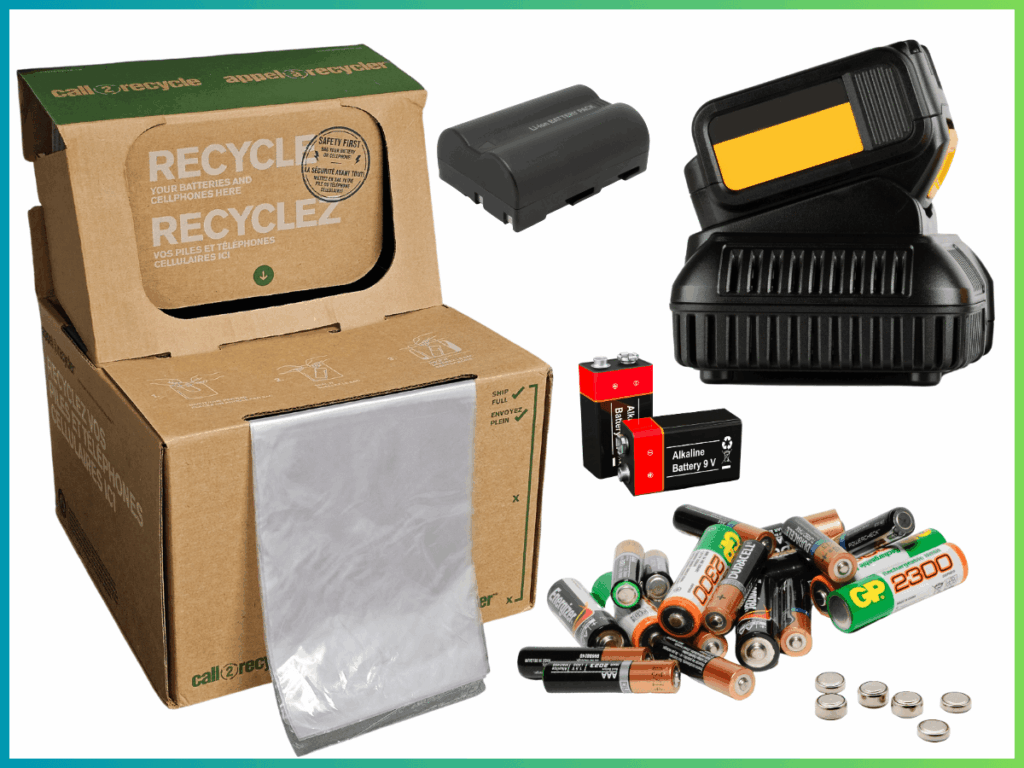
Recycle batteries at a Recycle Your Batteries Canada! drop-off site near you.
They accept single-use and rechargeable dry-cell household batteries weighing up to 5 kg (11 lbs.). Common examples include:
– A, AA, AAA, C, D, 9V, button cell.
– Rechargeable batteries for electronics and power tools.
– E-mobility batteries used on devices such as e-bikes and e-scooters.
– See all accepted battery types.
Do NOT put them in your blue bin or garbage; they’re the leading cause of garbage and recycling truck fires and can be harmful to the environment if disposed of improperly.
• Collect batteries in non-metal containers and store them safely.
• Protect battery terminals with tape or in plastic bags before storing or recycling.
Bicycles
Donate working bikes to a thrift store or check with local bike shops, clubs, or non-profits to see if they accept bike donations. Some will refurbish damaged bikes or use the parts for repairs.
In Winnipeg, you can take bikes and parts to any 4R Winnipeg Depot to be reused or refurbished through their program with W.R.E.N.C.H., which provides residents with affordable or free bikes.
Blankets
Donate to a thrift store or animal shelter.
Black Plastics
Black plastics, regardless of their plastic number, are not accepted in your blue bin. The automated machinery used to identify and sort plastics can’t identify black plastics, and there is a limited end market for them.
Blister Packs with Foil

Blister packs with foil or metallic material (e.g., medication and chewing gum blister packs) are not accepted in your blue bin. Please put them in the garbage.
Many optometrist clinics in Manitoba accept contact lens blister packs for recycling. Find one near you.
Blister packs with a cardboard back or fully plastic blister packs (e.g., clamshell packs) are accepted in your blue bin. Please separate cardboard from plastic before recycling.
Books*
Books (hard and soft cover) in their entirety are not accepted in the blue bin. Donate books to a thrift store if they’re intact.
*Book pages are accepted in your recycling. Please remove the pages from the binding before putting them in your blue bin. Put the binding in the garbage.
Bread Bag Tags/Tabs
Bread bag tags are not accepted in your blue bin because they’re too small to be sorted and end up getting lost during the sorting process. This post has great ideas for reusing them, such as labelling and organizing cords.
Broken glass
Broken glass isn’t accepted in your blue bin because the small shards contaminate other materials and aren’t able to be sorted. Put broken glass in the garbage.
“What about glass that breaks during recycling collection?” you may be wondering. Other materials such as cardboard, paper, and plastic containers act as padding, so very little glass breaks and isn’t problematic.
Bubble Wrap & Bubble Mailers
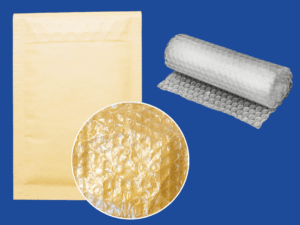
Bubble wrap and mailers/envelopes/parcels lined with plastic bubbles are not accepted in your blue bin.
You can donate these and other packing/shipping materials to most thrift stores. Local craft, art, and antique sellers may be open to taking them too. Alternatively, you can use them to safely store fragile items, such as glassware and holiday decorations.
Building/Construction Materials
Habit for Humanity’s ReStores (in Winnipeg and Brandon) accept a variety of construction and renovation materials in new and gently-used condition.
Many communities accept certain building materials for community use or recycling at local waste sites, such as Winnipeg’s 4R Depots. Contact your community to learn what options are available.
C
Cards (Plastic)
Credit cards, debit cards, and gift cards aren’t accepted in your blue bin. Please cut up your expired credit cards before disposing of them in the garbage.
Cassette Tapes & CDs
Donate tapes, CDs, and cases to a thrift store.
Caulking Tubes
Please put plastic caulking tubes in the garbage.
Ceramics
Donate ceramics to a thrift store. Some communities accept ceramics for recycling at community waste sites.
Clothes
See Textiles
Compressed Gas Containers
See Household Hazardous Waste (HHW)
Coffee Filters
You can compost paper coffee filters and most other organic materials in your yard or your community’s compost program. Check your community’s website to find out if they have a compost program and what’s accepted.
Coffee Pods
Check if your brand of choice has a drop-off or send-back recycling program for their pods.
Cutlery
Metal, plastic, and wood cutlery are not accepted in your blue bin. Reuse them as much as possible. Donate metal cutlery to a thrift store and compost wood cutlery that can no longer be used.
D
Diapers
⚠️Please put diapers in the garbage.
Reusable cloth diapers have made a comeback in recent years. They’re not realistic for everyone though. They take time to clean and can be expensive to wash if you use a laundromat, but they’re a great way to reduce waste and save money in the long run for some.
DVDs & Cases
Donate to a thrift store. Alternatively, some retirement/personal care homes accept DVDs to use for movie nights or to lend to residents.
E
Electronics
Many retailers and depots across Manitoba collect electronics for recycling on behalf of the Recycle My Electronics program. Find a location near you.
Donate working electronics to a thrift store. Find a repair guide online.
F
Filters (Air or Water)
Terracycle has a partner program with Brita Pitchers, so you can recycle the pitchers, filters, and dispensers. Check if the brand you use has a recycling program.
Fluorescent Light Bulbs & Tubes
See Household Hazardous Waste (HHW).
Food Scraps
Compost food scraps and most other organic materials in your yard or your community’s compost program. Check your community’s guidelines to find out what’s accepted.
Food Storage Containers (e.g., Tupperware)
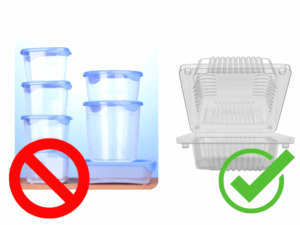
Reusable food storage containers are not accepted in your blue bin. Donate them to a thrift store. You can recycle metal containers at some depots or scrap dealers.
Note: plastic single-use food containers (e.g., for takeout food) are accepted in your blue bin, except for black plastic and foam.
Furniture
Try to repair damaged furniture before discarding it. Donate furniture to a thrift store or non-profit, even if it’s damaged (just ensure the amount of damage is acceptable to the receiver). If it’s too damaged to donate, post it online for free. Many hobbyists will take even heavily damaged furniture and repair/restore it.
G
Gift Bags (Plastic)
Reuse or donate to a thrift store.
Glass Products/Glassware
Reuse or donate to a thrift store.
Glass packaging, such as bottles and jars, is accepted in your blue bin.
H
Hangers
Donate to a thrift store. Metal hangers can be returned to a drycleaning company.
Household Hazardous Waste (HHW), Fluorescent Lights, & Paint (including containers)
Take these products, including empty containers, to a participating retailer or depot near you for safe disposal. Liquids must be in their original container. See a full list of qualifying products:
These products should never be dumped in sewers, drains or disposed of in landfills. Help protect our environment by properly disposing of hazardous materials and containers.
I
Inhalers/Puffers
See Medications
Ink/Toner Cartridges
Some brands have recycling programs for their cartridges. HP’s program has drop-off points at Staples and London Drugs retail locations, or you can request free shipping labels to mail back your cartridges. Check your brand of choice’s website to see if they have recycling options.
J
Jewelry
Reuse or donate to a thrift store.
Juice Pouches
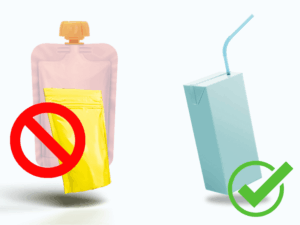
Put juice pouches in the garbage.
Juice boxes are accepted in your blue bin.
K
Keys & Keychains
Reuse old keys for art/crafts and donate key chains to a thrift store.
Knives
Reuse or donate to a thrift store. Cover blades when disposing knives in the garbage.
L
Laminated Paper
Put laminated paper in the garbage.
License Plates
Return Manitoba license plates to Autopac. Donate others to a thrift store or take them to a scrap metal depot.
Light bulbs
Throw non-fluorescent light bulbs in the garbage. See Household Hazardous Waste (HHW) for fluorescent light disposal.
M
Mattresses, Toppers, & Box Springs
Donate these if they’re in decent condition. In Winnipeg, you can recycle mattresses and box springs at the Brady 4R Winnipeg Depot or Mother Earth Recycling for a fee.
Medical Sharps
Safely dispose of medical sharps at a participating pharmacy near you. Get instructions here.
Sharps include:
- Needles and syringes
- Infusion sets
- Lancets
- Pen tips
- Pre-filled syringes, cartridges
- Auto-injectors
Improper disposal of medical sharps can cause serious harm to others.
Medications & Health Supplements
Safely dispose of health supplements and medications (over-the-counter and prescription meds) at a participating pharmacy near you. Get instructions here.
Improper disposal of medications and supplements can harm people, animals, and local ecosystems. Never pour medications down the drain.
Recycle empty pill containers in your blue bin (no black plastics).
Mirrors
See Glass Products
Motor Oil, Oil Filters, & Containers
N
Nails, Bolts, and Screws
Reuse or donate to a thrift store.
Needles, Syringes, Lancets, & Auto-Injectors
See Medical Sharps.
P
Paint & Paint Cans
See Household Hazardous Waste (HHW).
Paper Towels & Tissue Paper
Compost most organic materials in your yard or your community’s compost program. Check your community’s guidelines to find out what’s accepted.
Do not compost paper towels or tissues if they’re contaminated with cleaning products, paint, oil, or other inorganic compounds.
Pencils & Pencil Crayons
Reuse or donate to a thrift store.
Pens, Markers, and Mechanical Pencils (Plastic)
Reuse or donate to a thrift store. Recycle empty and broken plastic writing utensils at a Staples retail location.
Pesticides & Containers
See Household Hazardous Waste (HHW).
Plastic Bags
Reuse plastic bags as much as possible. Some grocery stores and retailers have bins to recycle plastic bags. Find one near you.
Plastic Plant Pots
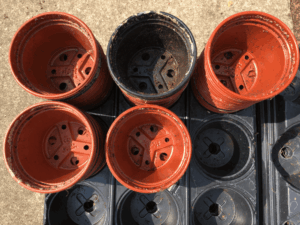
Reuse or donate to a thrift store. Many nurseries/greenhouses accept plant pot donations as well.
Plastic Wrap
Use reusable beeswax wraps or cloths to cover/wrap food instead.
Pots, Pans and Baking Trays
Reuse or donate to a thrift store.
Power Cords
See Electronics
Power Tools
Check if you can find a repair guide online. Reuse or donate to a thrift store.
For battery recycling options: see Batteries.
Propane Tanks & Cylinders
Reuse or return refillable propane tanks to a retailer.
See Household Hazardous Waste (HHW) to recycle single-use gas cylinders/canisters properly.
Q
Q-Tips/Cotton Swabs (plastic)
Put plastic cotton swabs in the garbage. Get a reusable or compostable alternative if possible.
R
Rope
Reuse or donate to a thrift store.
Rubber
Reuse or donate rubber products to a thrift store.
S
Scrap Metal
Take scrap metal to a metal dealer or depot.
Scrap Wood
Reuse or donate to an artist or builder. See Building/Construction Materials for lumber recycling options.
Sponges
Sanitize sponges in hot water to keep them fresh longer. Reuse them for other cleaning purposes when they become too dirty for dishes.
Try a more reusable option, such as a washcloth or brush.
Styrofoam/Foam
Many Styrofoam products and packaging, such as cups and packing peanuts, are becoming less common in Canada. But you’ll still encounter some, particularly with large products like electronics. Here are some ideas to reuse it:
- Use it as a plant pot filler.
- Line a box with it and put it in your car; you can put groceries in it to keep them cool on the drive home.
- Use it for storing fragile items in boxes or tote bins.
If you’re interested in more ideas, this article has 20 ways to reuse Styrofoam.
T
Textiles
Look up basic sewing tutorials online to repair clothing and home textiles. Small tears can be fixed with just a needle and thread. For complicated repairs, go to a seamster.
Reuse or donate unwanted textiles to a thrift store.
Tires
Take used tires to a Tire Stewardship Manitoba drop-off location for free. Many tire shops and automotive dealerships accept used tires for recycling*.
Learn more about how Tire Stewardship Manitoba recycles tires.
*Note: The drop-off location finder linked above sometimes doesn’t load all available locations. Please call you closest tire shop to find out if they take used tires (most do).
Toothbrushes
Reuse toothbrushes as a cleaning tool. They work great for spot-scrubbing shoes, clothes, and hard to reach places around the house.
Toys
Reuse or donate to a thrift store.
Thermostats
Take mercury-containing thermostats to an HRAI thermostat drop-off location near you for safe disposal for free. Find out if your thermostat contains mercury.
Mercury is toxic to people, animals, and the environment. Please dispose of thermostats properly.
V
Vapes/E-Cigarettes
Check if your local vape store accepts used products for recycling. See Batteries for battery recycling options.
VHS Tapes
Reuse or donate to a thrift store. Some retirement/care homes accept VHS tapes to use for movie nights or to lend to residents.
W
Wet/greasy boxboard and cardboard
Compost food scraps and most other organic materials in your yard or your community’s compost program. Check your community’s guidelines to find out what’s accepted.
Note: A bit of grease on a pizza box is okay to recycle in your blue bin, but don’t put cardboard with excessive grease in your blue bin.
Wine Corks
Recycle corks at a Liquor Mart cork collection bin.
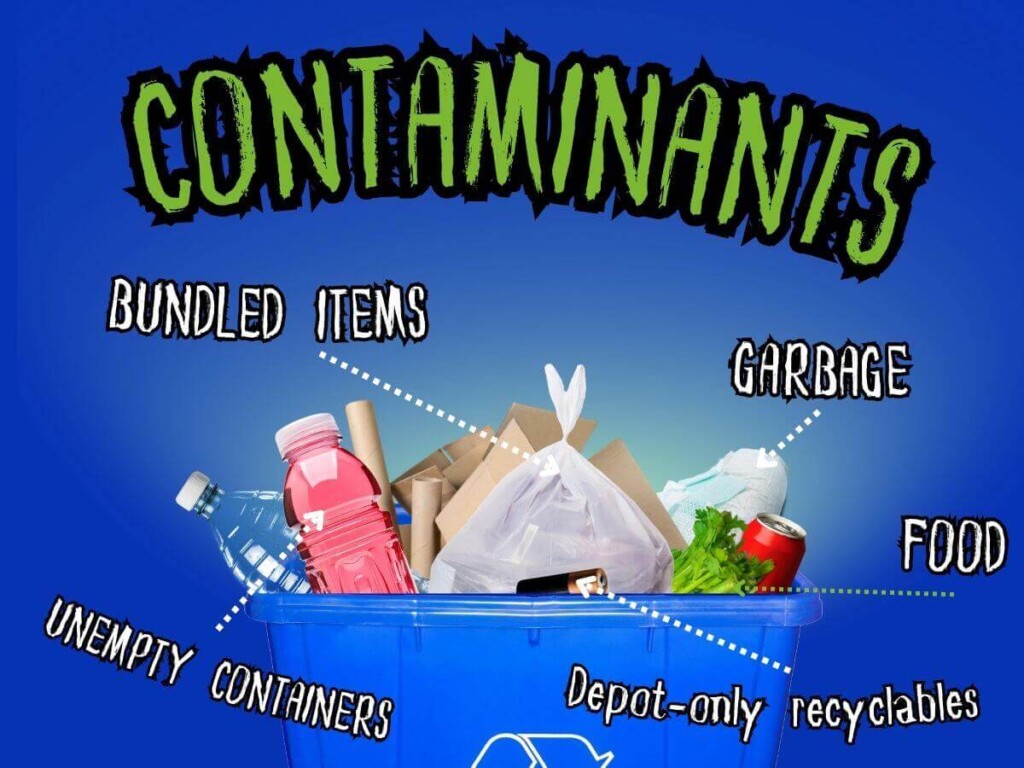
Give New Life to Your Old Stuff
Your blue bin is for printed paper and packaging. But what about bikes? Washing machines? Mattresses? Manitobans—admirably not wanting to waste—regularly ask us where they can recycle products like these that are damaged or no longer needed.
It’s always best to reuse something before recycling it, so our go-to answers are to donate to second-hand stores, charities, or post it online for free. But there are some products that won’t get any takers, either because they’re too damaged (like a tv with a cracked screen) or too big (like appliances).
But there’s still hope for lots of those damaged and seemingly unwanted goods. We’ve put together this list of places you can take your old appliances, mattresses, electronics, and even bicycles, to be either refurbished and reused, or recycled.
Note: The information below is subject to change. Always check with the business/organization directly before taking items to recycle.
Where to recycle appliances (stoves, washers, dryers, dishwashers, and more)
Provencher Appliance – Most home appliances
Location: 404 Archibald St, Winnipeg
Provencher Appliance will take most home appliances:
- washers & dryers
- stoves
- microwaves
- dishwashers
- refrigerators, freezers, & A/C units (see other places that accept these in the next section)
The company tries to refurbish old or broken appliances first, keeping them alive and out of landfills. If there’s simply no hope for grandma’s cold war stove, they strip it for parts that they can use to save other appliances and recycle the rest.
You can drop off your appliances during their opening hours or pay a fee to have it picked up.
Mother Earth Recycling – Microwaves
Location: 771 Main St, Winnipeg
An Indigenous Social Enterprise in Winnipeg, Mother Earth Recycling accepts mattresses and a variety of electronics (more on that later in the article) for recycling. They also accept microwaves, but this is the only appliance they accept.
You can drop your microwave off to be recycled during opening hours for free or pay a fee to have it picked up.
Other parts of Manitoba
Check with your R.M. or local appliance stores to find out if they recycle appliances.
Where to recycle refrigerators, freezers, and A/C units
EfficiencyMB – Fridges and freezers
Location: Manitoba-wide
To rid the province of inefficient freezers and refrigerators, EfficiencyMB is offering free pick up and a $30 Hydro rebate for working appliances over 20 years old (including other criteria) in coordination with Manitoba Hydro. Although its scope is limited, the program is a great way for some to responsibly dispose of they’re old refrigerating units.
Provencher Appliance – Fridges, freezers, and A/C units.
Location: 404 Archibald St, Winnipeg
We already mentioned them under the ‘appliances’ section, but in case you missed it, they refurbish and recycle refrigerators, freezers, and A/C units.
Other parts of Manitoba
Check with your R.M. or local appliance stores to find out if they recycle refrigerators and freezers.
Where to recycle mattresses and box springs.
Mother Earth Recycling
Location: 771 Main St, Winnipeg
Mother Earth Recycling is Winnipeg’s only mattress recycling service. You can also take your mattresses to the Brady Road 4R Depot, which takes mattresses to Mother Earth Recycling.
They separate the different materials in mattresses like foam, fabric, metal, and wood.
There is an $18 fee for each mattress or box spring to cover the cost of recycling the materials. You can pay an additional fee to have them pick up your mattresses.
Where to recycle electronics.
Recycle My Electronics (EPRA)
Location: Manitoba-wide
As the steward organization responsible for electronics recycling in Manitoba, Recycle My Electronics has drop-off locations across the province. They accept a wide variety of electronics like TVs, printers, cellphones, and many more. You can use their interactive map to find a dop-off site nearest to you.
Saving Audio Recycling
Location: Winnipeg
Saving Audio Recycling is a volunteer organization that refurbishes and recycles audio equipment. They donate refurbished equipment to local non-profits, cultural groups, and schools. Anything they can’t refurbish or use for parts is recycled.
They accept most audio equipment, such as stereos, speakers, record players, and more. Visit their site to see the full list of products they accept and arrange a drop-off or free pick up.
Mother Earth Recycling
Location: 771 Main St, Winnipeg
Mother Earth Recycling accepts most common electronics. They refurbish several kinds of electronics, such as computers and TVs, and recycle the rest following EPRA standards.
Where to recycle bicycles.
Your broken bike doesn’t belong in the dump. With a bit of work, it could be road-ready for years to come. There are a few volunteer-run places you can donate your bike to that will fix it or use any good parts left on it. They help reduce waste while providing affordable transportation to others.
Some places even have a workspace and volunteers that can help you with repairs, so you might not even need to get a new bike after all!
Bicycle recycling in Winnipeg
Coop Velo-cite- 190 Cathedral Ave. Open Sunday 12-4 p.m.
The Bike Dump – 631 Main St. Open Sunday 1-4 p.m. and Tuesday 6-9 p.m.
The WRENCH – Any Winnipeg 4R Depot. The WRENCH collects the bikes from the 4R Depots. They do not accept bike donations at their shops.
Bicycle recycling in Brandon
BNRC Bike Exchange – 440 Rosser Ave. Open Wednesdays 5-7p.m.
Other parts of Manitoba
Check with your local cycling shop to find out if they take used bikes or take to them to your local scrap metal dealer.
Hopefully you were able to find somewhere to donate your stuff. We’ll update this list as we learn of new places that can help Manitobans reduce their waste.
If you know any organizations or businesses that reduce waste by reusing, refurbishing, or repurposing products that would otherwise be disposed of, let us know so we can add them to this list. You can contact us here.
MMSM Staff Recycling Tips
Working for a recycling organization, it’s an unwritten rule that our staff have to be passionate about recycling and the environment. In the spirit of Earth Month, we asked our staff to share tips on reducing waste in their everyday lives.
Joel, Communications Coordinator
Since moving into an apartment, I found that my little blue bin would fill up quickly and I would have to take it down to the bins three to four times a week. To be more efficient, I got a bigger bin. Now, I only take it down once or twice a week. Recyclables are light, so it’s not any harder to carry them out and lift them into the bin outside my building.
Another tip: if I’m running the dishwasher and there’s extra room, I put any dirty recyclables in there instead of rinsing them in the sink!
Kalin, Manager, Field Services
I try to find ways to reduce unnecessary food packaging in my home. Items like coffee, pasta, nuts, and spices can be bought using reusable containers at bulk stores. I’ve also started to refill some cleaning products (i.e., laundry detergent) with reusable containers as well.
Karen, Executive Director
Any plastic containers that I get, I save and reuse them for leftovers. I also reuse plastic packaging from toilet paper to line garbage bins, you should just be mindful when opening the package. I also keep a basket/bin in all areas of the house (including my car and workshop), to collect items for recycling. When they get full, it gets transferred to the recycling cart that goes out to the curb.
Noelle, Marketing & Communications Specialist
Besides recycling all I can in my blue box, I look for opportunities to recycle other items that aren’t accepted in my curbside recycling bin. I donate my old prescription glasses, as well as recycle the blister packs from my contact lenses at my optometrist’s office. I also recycle old pens and markers that are out of ink through Staples’ writing instrument recycling program. I keep reusable bags in my car, so I’m never without a bag when I’m at the grocery store.
Susan, Municipal Reporting Coordinator & Office Administrator
I’ve donated a lot of old furniture and clothing to thrift stores. Any old socks with holes are reused as toys for my dogs to play with. Instead of going shopping for new clothes, I’ll shop in my own closet to see what I can re-wear. I’ve also rearranged furniture around my home and found different uses for them, instead of having to buy new items.
I buy groceries in bulk so I can plan meals for my family. When it comes time to cook, we cook everything in large portions and then freeze the leftovers to save for later. This saves on packaging and time spent on making other meals.
Can You Recycle Plastic Bags in Manitoba?
For many years, we’ve encouraged consumers to use the 3Rs when it comes to plastic bags – reduce, reuse and recycle. Read more to learn why plastic bags aren’t accepted for recycling, and tips on what to do with the bags already in your home.
Plastic bags don’t belong in the blue bin
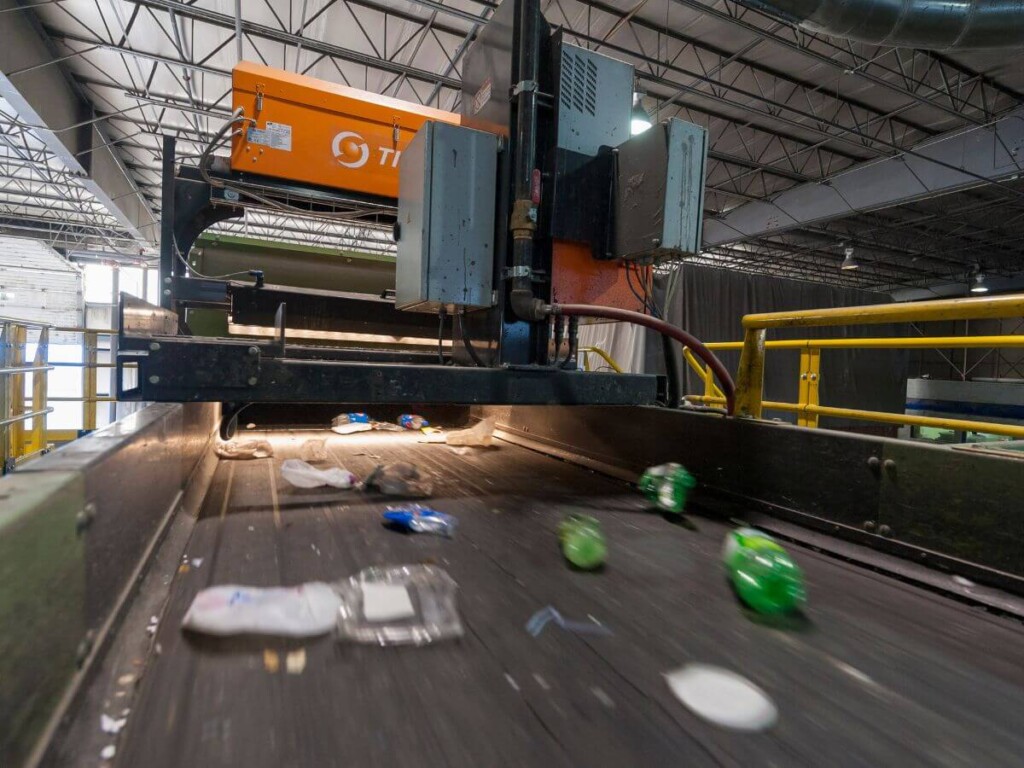
Plastic bags and film are recyclable, but not in your blue bin. When your recycling is picked up from the curb, it’s brought to the Material Recycling Facility (MRF). From there, recyclables pass through the sorting belts and machinery, get baled, then are shipped to be made into something new.
Plastic bags and film are problematic at the MRF for a few reasons. If a bag makes its way into the machinery, everything will need to be shut off so staff can manually remove the bags. This slows everything down and causes huge delays for baling recyclables.
Recyclables should be put in loosely, so they’re able to be sorted easily at the MRF. Bagged recyclables also pose a danger to the sorting staff because they can’t see what’s inside the bag – which could be anything, ranging from garbage, recyclables, or food waste.
Tips for reducing plastic bag waste
If plastic bags can’t be recycled in your curbside blue bin, what should you do?
When you’re out and about, remember to bring a reusable bag with you. Say “no” when a retailer offers you a plastic bag. We don’t need a bag (paper or plastic) for only a few items.
Where possible, reuse the bags in your home. Plastic bags can be reused for several things, such as:
- Stuffing/packing material
- Picking up pet wastes
- Garbage can liners
Also, remember to recycle the plastic bags already in your home. You can find a list of stores accepting plastic bags here.
When it comes to plastic bags, it’s important to remember the 3Rs – reduce your use of plastic bags, reuse the ones you already have, and recycle the ones that remain.
Recycling Week in Manitoba!
Today is the first day of Waste Reduction Week, and the first day of Recycling Week in Manitoba! (more…)
Five Places to Bring a Reusable Bag
Reusable bags are a great way to reduce the amount of plastic bags we use on an everyday basis while we’re out and about. Here are five places to bring a reusable bag, for those times when you need an extra hand.
- Convenience Stores/Drug Stores
Have you ever popped into the drug store intending to pick up one or two items, and end up leaving with an armful of stuff? Leaving with more than you originally planned will likely have you needing an extra plastic bag at the end. Save yourself the extra bag and bring a reusable one in with you instead.
- Farmers Market
It’s always great to support local businesses at farmers markets, even the majority of markets in Manitoba run during the warmer months. As you walk around, it’s hard not to buy all of the ripe, delicious fruits and vegetables from the many vendors. Definitely bring your reusable bags with you, so you can take home all of the things you find!
- Grocery Stores
This is probably one of the more obvious places to bring a reusable bag. Bringing your own bag is an easy way to save a bit of extra money at the checkout. Most stores are allowing customers to resume bringing their own bags for groceries but check with your local store to be sure.
Most stores have bins at the front of their stores where you can return your plastic bags for recycling. Find a drop-off location close to you:
- Restaurants
Depending on what type of cuisine you decide to have, more often than not, there’s some leftovers to bring home. We would recommend bringing one or two reusable bags to the restaurant, as you don’t know how many you’ll need until you’re finished the meal. Go the extra mile and bring your own reusable containers from home to pack your leftovers in!
- Retail Stores
You buy a sweater from one store, a pair of jeans from another and a few shirts at one more place on a shopping trip. It’s great to add some new pieces to your wardrobe, but now you also have three new plastic bags to bring home. Consider bringing a reusable bag next time you go shopping to save yourself the extra plastic.
It’s important to wash and wipe down your reusable bags, so they are clean and to avoid cross-contamination between groceries. Cloth and cotton bags can go in the washer and dryer. Reusable nylon bags can be wiped down with a disinfecting wipe and hung up to air dry before the next use.
If your fabric bags have reached the end of its life cycle, (eg. holes or tears in the bag), they can be dropped off for textile recycling. Find a drop-off bin near you here:
Go Green This Back to School!
Whether we like it or not, summer has ended and it’s time for everyone to head back to school. It’s also a great time of year to get your household back into a routine and to introduce new habits. Here are some tips on how to make your routine more eco-friendly and how to sustain it throughout the year.
Come Prepared
- Many times we purchase single-use items because of convenience. To cut back on waste, come prepared with your own reusable items. This includes mugs, bottles and straws for your drinks and cutlery for any meals. Many schools have water fountains in their hallways for their students and staff to use.
Litter Free Lunches
- Lunchtime can produce a lot of excess waste, but there are ways to prevent that. Instead of packing lunches in single-use packaging (i.e. sandwich bags and cling wrap) put your food in reusable containers. There are lots of options for reusable containers, ranging from plastic to glass. For food that doesn’t need to be in a container, you can wrap it up in a beeswax food wrap! These may be a bit harder to find at stores, but there are lots of local makers who sell these at farmer’s markets and online. Check out our video with our local recycling superhero ‘Boss Lady’ Leanne Cater to see these wraps in action!
- Try to make your lunches ‘litter-free.’ This means no extra packaging and food going into the garbage bin. Pack your lunch in a reusable bag instead of a paper one. The reusable bag can be used more than once, and is sturdier than a paper bag. Instead of buying snacks wrapped in plastic, buy snacks in bulk to cut back on excess packaging. Healthy snacks like nuts, granola and pretzels can be bought at your local grocery store in bulk.
Use What You Have
- Before making a trip to the store to stock up on new supplies for the family, take a look around to see what items can be reused before being replaced. Most of the time, there are leftover items from last year that are still in good condition or weren’t used at all.
- Instead of going to the mall and buying clothes brand new, why not take a trip to the second-hand store and buy used? You may be able to find some unique items that no one else will have!
- If your family has outgrown old clothes or sports equipment, don’t forget to donate it to a local second-hand store or charity.
Green Transportation
- If your child’s school is within walking distance, encourage them to spend some time outside and walk to school while the weather is still nice. Ask them to walk with a group of friends so there’s safety in numbers.
- During the winter, or if your child’s school is too far away, ask around the neighbourhood to see if there is a carpool to save money on gas.
- If you pick up your child from school turn off your vehicle while waiting. Idling your vehicle contributes harmful emissions to the atmosphere, while also wasting gas.
Be Proactive!
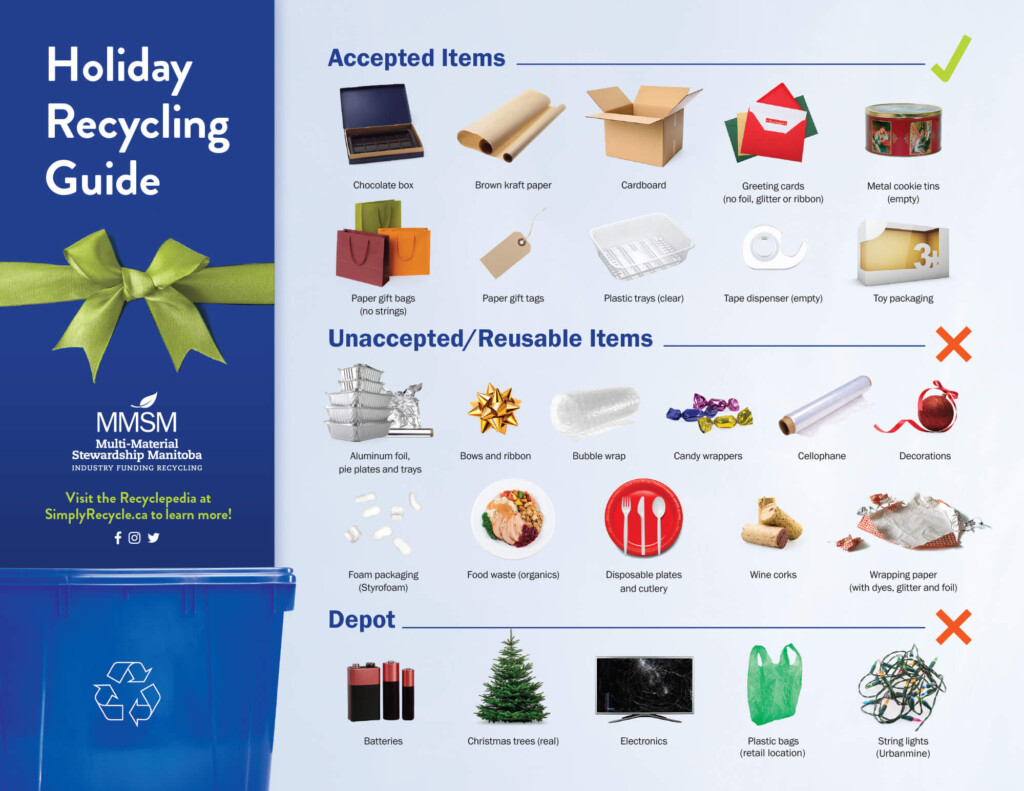
- Familiarize yourself with what items can and can’t go into your blue bin. If your child is learning about recycling in school, being proactive about it in the home will help teach them as well. Visit the Recyclepedia or download a recycling guide to post on your fridge!
- Start a compost for food scraps at home. Composting is a great way to give nutrients back into our gardens and give our food scraps a second purpose.
- Does your child’s school have a recycling or a compost program in place? If not, ask their teachers if it’s possible to start one! Recycling happens in more places than just the home.
- If your child has a passion for recycling and the environment, get them to participate in their school’s environmental team! If there isn’t one in place, encourage your kids to talk to their teachers and see if it’s possible to start one up!