

MMSM Staff Recycling Tips
Working for a recycling organization, it’s an unwritten rule that our staff have to be passionate about recycling and the environment. In the spirit of Earth Month, we asked our staff to share tips on reducing waste in their everyday lives.
Joel, Communications Coordinator
Since moving into an apartment, I found that my little blue bin would fill up quickly and I would have to take it down to the bins three to four times a week. To be more efficient, I got a bigger bin. Now, I only take it down once or twice a week. Recyclables are light, so it’s not any harder to carry them out and lift them into the bin outside my building.
Another tip: if I’m running the dishwasher and there’s extra room, I put any dirty recyclables in there instead of rinsing them in the sink!
Kalin, Manager, Field Services
I try to find ways to reduce unnecessary food packaging in my home. Items like coffee, pasta, nuts, and spices can be bought using reusable containers at bulk stores. I’ve also started to refill some cleaning products (i.e., laundry detergent) with reusable containers as well.
Karen, Executive Director
Any plastic containers that I get, I save and reuse them for leftovers. I also reuse plastic packaging from toilet paper to line garbage bins, you should just be mindful when opening the package. I also keep a basket/bin in all areas of the house (including my car and workshop), to collect items for recycling. When they get full, it gets transferred to the recycling cart that goes out to the curb.
Noelle, Marketing & Communications Specialist
Besides recycling all I can in my blue box, I look for opportunities to recycle other items that aren’t accepted in my curbside recycling bin. I donate my old prescription glasses, as well as recycle the blister packs from my contact lenses at my optometrist’s office. I also recycle old pens and markers that are out of ink through Staples’ writing instrument recycling program. I keep reusable bags in my car, so I’m never without a bag when I’m at the grocery store.
Susan, Municipal Reporting Coordinator & Office Administrator
I’ve donated a lot of old furniture and clothing to thrift stores. Any old socks with holes are reused as toys for my dogs to play with. Instead of going shopping for new clothes, I’ll shop in my own closet to see what I can re-wear. I’ve also rearranged furniture around my home and found different uses for them, instead of having to buy new items.
I buy groceries in bulk so I can plan meals for my family. When it comes time to cook, we cook everything in large portions and then freeze the leftovers to save for later. This saves on packaging and time spent on making other meals.
Is the plastic in your blue bin getting recycled?
In recent years, you may have heard that only nine percent of plastic gets recycled. Wide misrepresentation of this statistic, among other reasons, has led many people to question whether the plastics they put in their blue bins are getting recycled. Some have even stopped recycling as a result, believing their recyclables (and their efforts) are going to waste.
The reality is, nearly all recyclable plastic collected in Manitoba is recycled. Let’s look at what the 9 percent statistic really means, how much plastic Manitobans are recycling, and why plastic in the recycling stream occasionally can’t be recycled.
Is it true that nine percent of plastic is recycled?
In 2017, a study found that nine percent of plastic produced globally has been recycled. It gained a lot of media coverage and left many with a misunderstanding of what it means.
The statistic refers to all plastic ever made—recyclable and non-recyclable. Most plastics aren’t accepted for residential recycling due to the lack of end-markets or because they’re not recyclable. Although nine percent is a low number, it represents millions of tonnes of plastic annually that are kept out of landfills and environments across the world. As technology, public policy, and education improve, so will these numbers.
The next phase of Canada’s federal ban on several single-use plastics comes into effect in December 2023. Retailers and restaurants will no longer be able to offer plastic straws, food containers, stir sticks, and other single-use plastic items. The government estimates the ban will reduce Canada’s total annual plastic waste by about three percent. Other environmental groups estimate about a five percent reduction.
For now, the best way to eliminate plastic waste is to reduce consumption or reuse/repurpose items. But when that’s not possible, recycling accepted materials will keep them out of landfills.
What happens to my recycling in Manitoba?
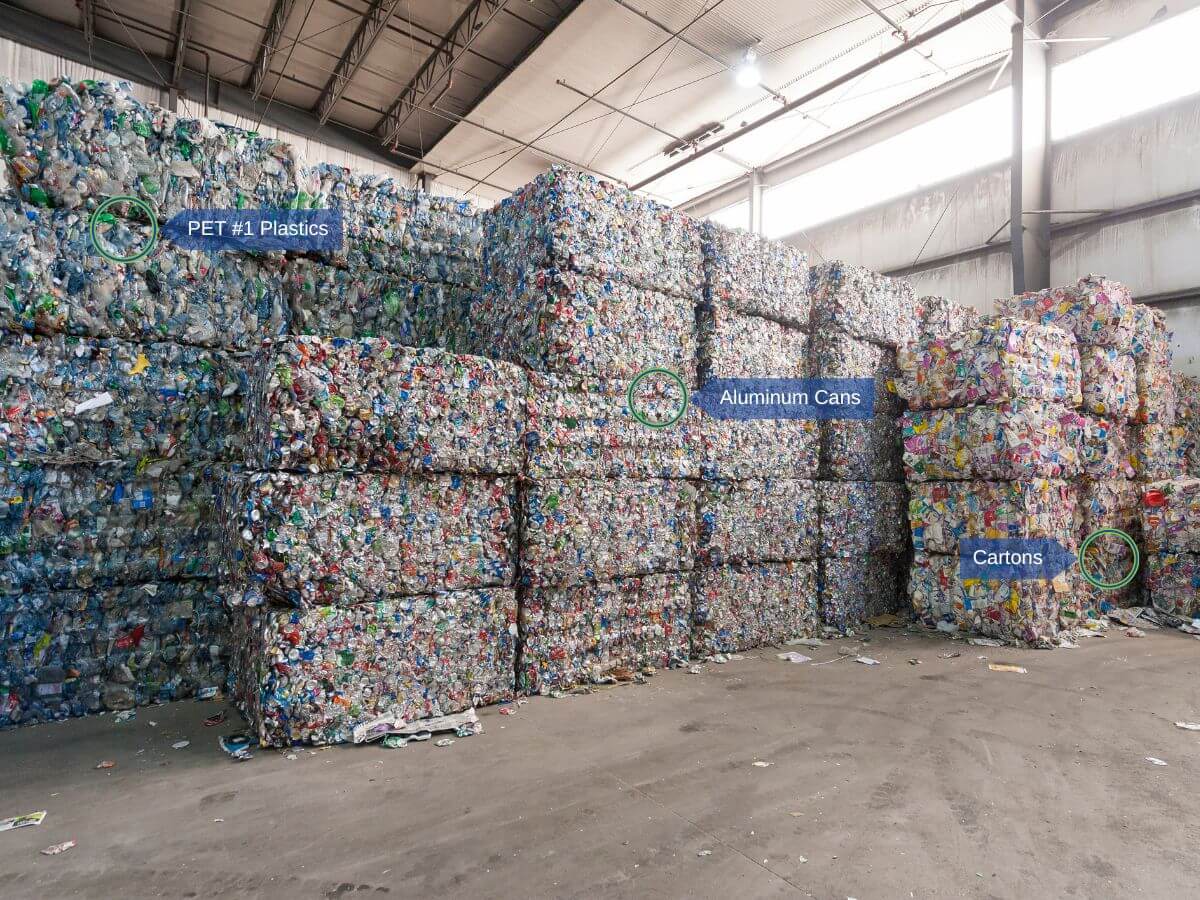
After being sorted, recyclables are compacted into bales before being transported to end markets.
Any accepted materials collected from your blue bin will get recycled unless they’re contaminated. Recycling contamination can occur in many forms. Thankfully plastic is much harder to contaminate than other materials. There are three main causes of plastic contamination:
- When containers contain excessive amounts of food or liquid.
- When recyclables are placed in opaque plastic bags or nested together.
- When unaccepted plastics are placed in the blue bin.
In Manitoba, there’s a 10-15% contamination rate in residential recycling. This means that 85-90% of materials collected are recycled. To avoid contaminating your recycling, it’s crucial to follow recycling guidelines in your area.
Like any other accepted material, once plastics have been sorted and baled, they’re shipped to an end market. MMSM monitors where communities are sending their recycling. They must ensure recyclables go to an acceptable end market to receive funding from MMSM—burning or sending materials to landfill is unacceptable. Recycling from Manitoba is shipped to end markets in Ontario, the U.S. and sometimes exported overseas depending on market conditions. Where they get sent depends on market conditions and can change daily.
The plastic collected from blue bins will get recycled, but we can only recycle as much as we collect.
How much recyclable plastic is recovered in Manitoba?
MMSM tracks recovery rates for all accepted materials in Manitoba each year. In 2020, Manitobans recycled 10,878 of the 23,692 tonnes of plastic packaging that entered the province. That’s a recovery rate of 45.9 percent—nearly double what it was 10 years ago at 23.3%.
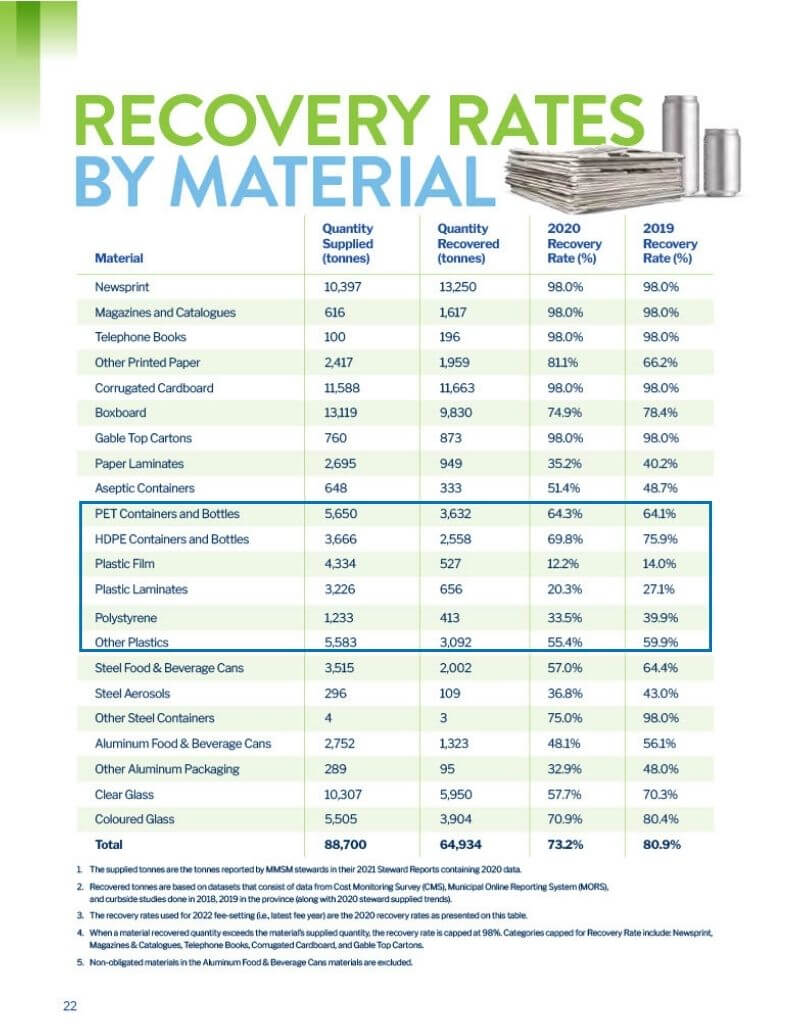
While there have been steady increases in recovery rates, there’s still lots of room to improve. Keep a recycling bin close to your garbage can, and if you’re unsure whether you can recycle something, look it up in the Recyclepedia. You can also view or print a recycling guide with common materials if you scroll past the Recyclepedia search tool.
Please recycle whenever you have the opportunity and encourage others. You can rest assured knowing that the items you roll out to the curb each week are being recycled.
Power Up Your Recycling Knowledge on National Battery Day
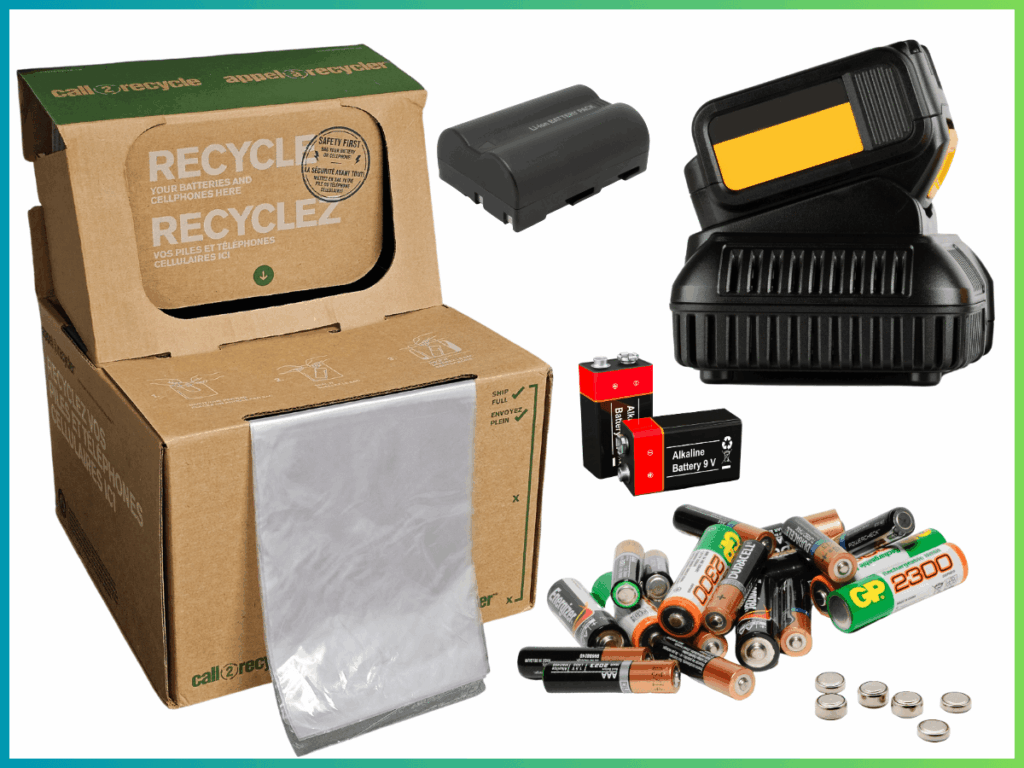
February 18th is National Battery Day and Multi-Material Stewardship Manitoba (MMSM) is partnering with Call2Recycle to raise awareness and remind Manitobans to properly recycle their batteries.
Manitobans are recycling more batteries than ever before, by volume, but there is room for growth. Call2Recycle reports that in 2022, Manitobans helped divert over 153,000 kilograms of batteries from landfill, the strongest collection result in the province’s history. However, an Ipsos survey commissioned by Call2Recycle also showed that only half of Manitobans are recycling their household batteries.
Many of these remaining batteries are being thrown into the garbage, which is hazardous for the environment, while others are ending up in recycling bins. When batteries get into the residential recycling stream, they can pose a danger to sorting staff and have the potential to start fires.
“Residents should only put accepted materials in their recycling bins. Batteries are not accepted in residential recycling programs and can cause challenges in Material Recovery Facilities. Residents should take them to a drop-off location to be recycled,” says MMSM’s Executive Director, Karen Melnychuk.
“It’s important to recycle used batteries to help protect the environment and support a healthy circular economy,” adds Joe Zenobio, President of Call2Recycle Canada. “Batteries should never be thrown out. Materials reclaimed in the recycling process can be used to make new products. So, if you’re not already recycling, National Battery Day is a great time to start.”
Call2Recycle wants Manitobans to remember three things when recycling their batteries: collect, protect, and drop-off. Residents should collect their used batteries in a non-metal container. Protect them by storing them in a cool dry place away from the sun and by taping the positive terminals of lithium, small sealed lead acid (SSLA), button cell, and alkaline batteries over 12V with non-conductive tape. This reduces the chance of sparks. Finally, they recommend residents drop off their batteries once every three months to avoid corrosion. Call2Recycle has over 700 drop-off locations in Manitoba, including convenient and highly accessible major retailers, businesses, and municipal facilities. You can find one near you at www.RecycleYourBatteries.ca.
Call2Recycle is spreading the word with an ad campaign currently on TV and online. Fans attending the February 23rd Manitoba Moose hockey game can also look forward to receiving a “collection cube” to help them start collecting their used batteries at home.
MMSM has developed the Recyclepedia, a web tool and free mobile app that tells you what can and can’t be recycled, and where to dispose of different materials. It’s available in 13 different languages and has location-specific information for different communities throughout the province. Learn more here.
About MMSM:
MMSM is an industry-funded, not-for-profit organization that funds and provides support for Manitoba’s residential recycling programs for packaging and printed-paper, in accordance with the Packaging and Printed Paper Stewardship Regulation. Its goal is to promote the reduction, reuse and recycling of the materials managed in its program while increasing recovery rates.
About Call2Recycle Canada, Inc.:
Call2Recycle® is Canada’s leading organization for battery collection and recycling, fulfilling product stewardship obligations on behalf of over 400 members, including producers of single-use and rechargeable batteries. It is the provincially-approved consumer battery collection and recycling program for British Columbia, Saskatchewan, Manitoba, Quebec, and Prince Edward Island, and operates as a registered Producer Responsibility Organization (PRO) in Ontario according to the Ontario Batteries Regulation. Since its inception in 1997, Call2Recycle has diverted almost 40 million kilograms of batteries from Canadian landfills.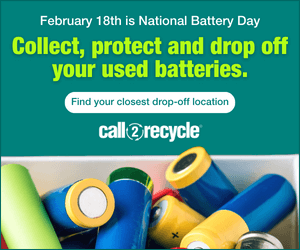
Holiday Recycling Tips
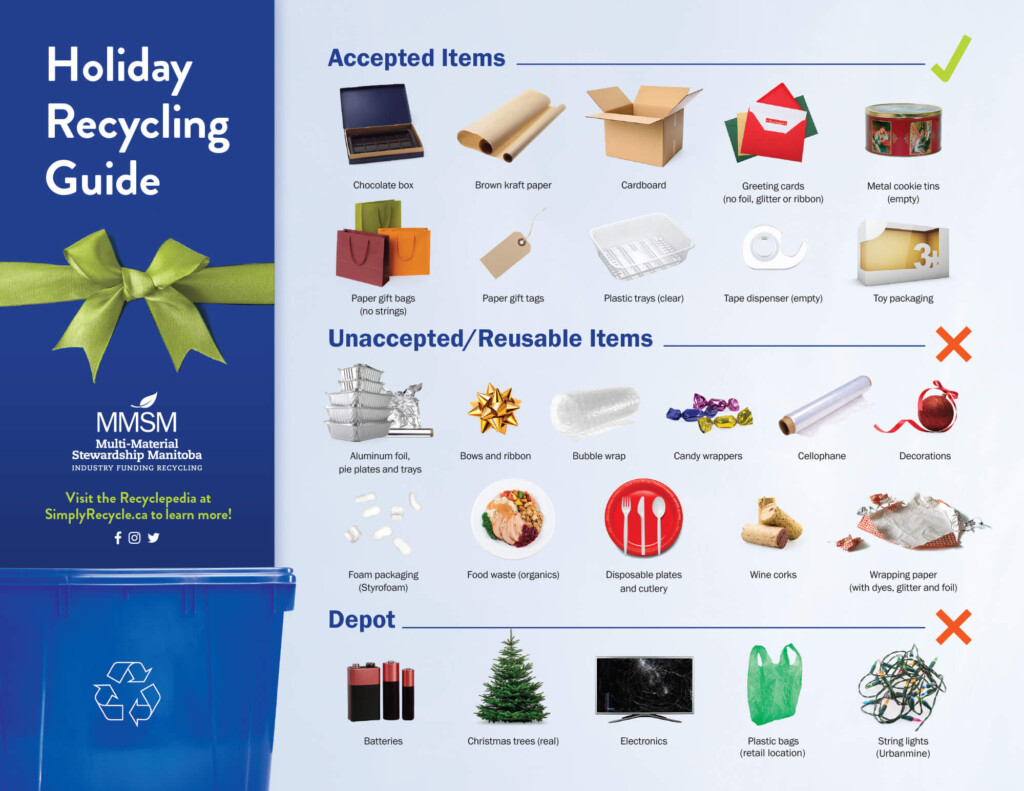
Many of us are looking forward to the holidays, especially with being able to gather with our loved ones once again. We want to make recycling easy with our holiday recycling guide, as well as some tips to help make your holidays easier on the environment this year.
(more…)Can You Recycle Plastic Bags in Manitoba?
Plastic bags are not accepted in your household recycling. There’s a different way to recycle certain plastic bags in some communities, and lots of ways to reuse them.
Plastic bags don’t belong in the blue bin
Plastic bags and film are recyclable, but not in your blue bin. When your recycling is picked up, it goes to a sorting facility that separates different materials.
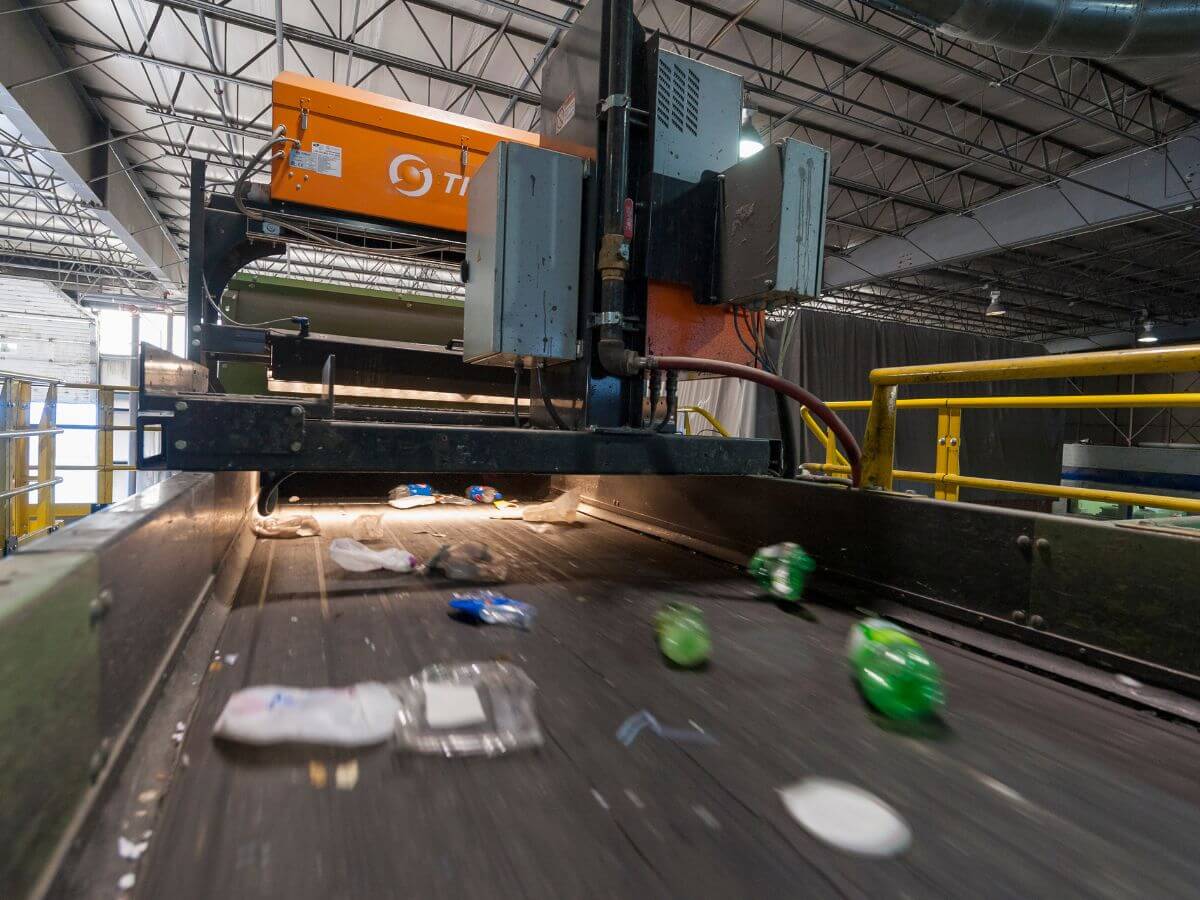
Plastic bags and film are a big problem for these facilities. They get tangled and jam up the machinery. Everything has to be shut down when that happens so staff can remove the bags. This can causes huge delays in sorting and adds risks to staff.
Bagged recyclables also pose a danger to sorting staff because they can’t see what’s inside the bag – it could be garbage or something even more hazardous.
Ways to reuse plastic bags
Where possible, reuse the bags in your home. Plastic bags can be reused for several things, such as:
- Stuffing/padding for storing or mailing fragile items.
- Picking up pet waste. Donate bags to a local dog park or animal shelter if you don’t have pets.
- Small garbage can liners
Drop-off recycling options
Some groceries stores have bins near their entrances to recycle certain types of plastic bags, usually only single-use shopping bags.
Co-op Food Stores in Winnipeg, Stonewall, Gimli, and Portage la Prairie have plastic bag bins. Contact your local store to find out if they have a bin. Both London Drugs locations in Winnipeg also accept plastic bags for recycling.
When it comes to plastic bags, it’s important to remember the 3Rs – reduce your use of plastic bags, reuse the ones you already have, and recycle if options are available to you.
Fall Recycling Guide
Fall is here with the weather getting cooler and the leaves changing colour. We want to help you recycle right this season. Read on to find out what seasonal materials to put in your blue bin this Fall. (more…)
Back to Blue Bin Basics
September is a time for many of us to get back into a routine after taking summer holidays and enjoying the warm weather. With getting back into a routine, it’s a good time to familiarize yourself with what can go in the blue bin, and what to do with items that don’t belong. (more…)
Keep Cool and Recycle!
As we explore our province this summer, we’re all going to need a drink or two to quench our thirst and stay hydrated. Here’s a reminder to recycle your beverage containers when you’re done with them. Most drink containers are accepted in your blue bin, but there are a few exceptions. Here are some things to keep in mind this summer.
Accepted containers
Only recycle beverage containers that are on your community’s accepted list, which is consistent for most of the province. These types of containers are accepted:
- Plastic drink bottles (i.e., pop, water, juice, and sport drink bottles)
- Plastic jugs (i.e., 4L milk jugs, large juice bottles)
- Cartons (i.e., milk and juice cartons, and juice boxes)
- Aluminum cans (i.e., pop, beer, and sparkling water cans)
- Glass bottles (i.e., wine, juice, and hard liquor bottles)
- Plastic cups (i.e., clear take-out drink cups and open plastic cups)
- Paper take-out drink cups (i.e., fountain drink and frozen slushie cups)
- Coffee cups
Unaccepted containers
These types of beverage containers are not accepted in your blue bin.
- paper cup lids
- Foam cups
Tips
- Before recycling your beverage containers, make sure they’re empty and the lid is on. Leftover liquids can contaminate other recyclables like paper and cardboard and can be harmful to the recycling process.
- Remember the 3R’s – reduce, reuse, and recycle. Bring a reusable bottle with you when you’re out and about. Most places will have water fountain stations where you can fill up.
- Straws (both paper and plastic) are not accepted in your blue bin. Dispose of your straws in the garbage before recycling your empty beverage containers.
Top 10 Recyclepedia Items
The Recyclepedia has been around for two years now and is the trusted source of recycling information for the province. While there are over 1,000 material listings in the Recyclepedia, some searches are more popular than others. Here’s the top 10 most searched items, and what to do with them.
- Plastic Tubs and Lids
This encompasses all your margarine tubs, sour cream containers, and other plastic containers you’d keep in the fridge. As long as your containers are empty, they are recyclable in the blue bin! A quick rinse is always appreciated to get rid of any food waste or lingering smells. - Styrofoam
Foam packaging, more commonly known as Styrofoam, is not accepted for recycling. You can read about why it’s not accepted in our previous blog post. If you can, try to reuse foam packing peanuts as stuffing material. Otherwise, try to avoid it if possible. - Black Plastics
With many of us staying home these past two years and supporting local restaurants by getting takeout, we’ve all accumulated some black plastic containers. These plastics are not accepted for recycling because they aren’t detected by the lasers at the Material Recovery Facility (MRF). There is also a limited end market for these plastics. But the good news is that these containers are highly reusable! They’re great for packing lunches, or for storing leftovers. - Plastic Bag
Plastic bags are recyclable, just not in your curbside recycling bin. Plastic bags are problematic at the MRF because they can get tangled in the machinery, causing huge delays and shutdowns. However, plastic bags are recyclable by returning them to a retailer. You can find a list of drop-off locations here.
- Plastic “Clamshell” Container
You’ll see these types of containers used for different types of fruit (i.e., strawberries, blueberries, and grapes) and baked goods. In most areas of the province, these materials are accepted in your recycling. However, in the City of Brandon and surrounding communities, these items are NOT accepted. The recycling collected in this part of the province is taken to a different processor which does not accept clamshells. - Glass Jar
Glass jars, bottles and other containers are all accepted in your blue bin. Glass jars are highly reusable, and are great for canning, storing leftovers, and sauces.
- Building Materials
The 4R Winnipeg Depots accept some building materials for composting and reuse. This includes brick, concrete, gravel, patio stones, non-treated lumber and wood, and yard waste. If you aren’t nearby Winnipeg, check with your community to see if you can bring it to your local landfill or transfer station.
- Light Bulb (not CFL)
Light bulbs that DO NOT fall under the CFL category (i.e., Halogen, HID, LED, and Incandescent bulbs) are not accepted in your recycling. There is currently no program in Manitoba that accepts these types of lightbulbs for recycling. CFL lightbulbs and tubes are recyclable in Manitoba through the Product Care Recycling program. Visit their website for a list of drop-off locations. - Furniture
There are a few different options for reusing and disposing of furniture in Manitoba. If your furniture is in gently used condition, it can be donated to Habitat for Humanity ReStore, a secondhand store, or resold online through Marketplace. Otherwise, arrange for a bulk waste pickup through your community.
- Mattresses and Mattress Toppers
Mattresses are recyclable in Manitoba, thanks to Mother Earth Recycling! There are two ways to recycle your mattress: drop it off at their facility (771 Main Street in Winnipeg) or take it to the 4R Brady Winnipeg Depot. On the other hand, mattress toppers are not accepted for recycling. Try to find ways to repurpose this item in your home, such as stuffing material for bean bag chairs, or to create a pet bed for your dog or cat.
Can you recycle Styrofoam?
Foam packaging, more commonly known as Styrofoam, is used in many kinds of packaging and miscellaneous items in our day-to-day lives. Styrofoam is one of the top-searched materials in the Recyclepedia with more than 500 views this month alone!
(more…)