

Debunking Recycling Myths
We’ll be the first to say it – the recycling industry is complex and is constantly changing. Because of this, the rules often change and there is a lot of misinformation about what gets recycled in the blue bin, or how recycling works in the province. Below, we debunk six myths about residential recycling and how the program works in Manitoba. (more…)
Battery Recycling
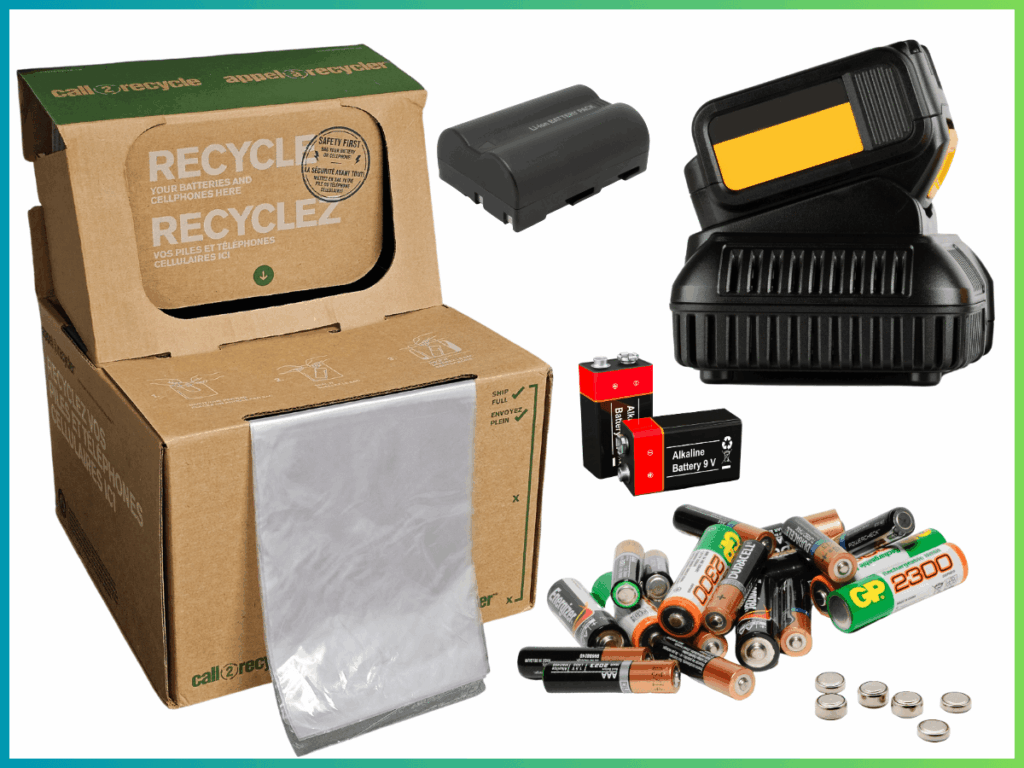
Many of the items we use in our day-to-day lives are powered by batteries. While these small items make using technology easier and more convenient, they can be harmful to the environment if not disposed of properly. Be sure to recycle your batteries in the right place. (more…)
Winter Recycling Tips
Winter in Manitoba comes with a whole other set of rules. Shovel your driveway and back lane so the snow doesn’t build up. Plug in your car so it will start in -40 C. Brush the snow off your car if it’s been sitting outside all night after a heavy snowfall. Sound familiar?
Putting your recycling out for collection in the winter comes with a few more things to keep in mind as well. Here are some tips for the rest of the season. (more…)
Recycling Week in Manitoba!
Today is the first day of Waste Reduction Week, and the first day of Recycling Week in Manitoba! (more…)
Recycling Do’s and Don’ts
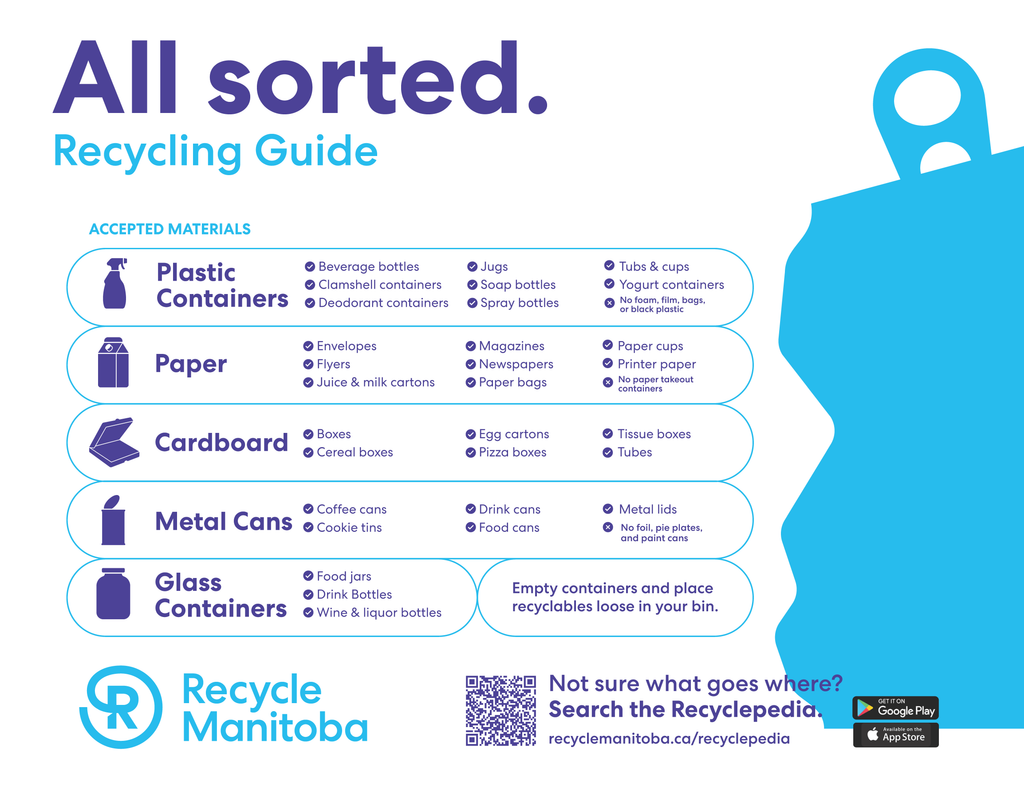
As market conditions change, what items are accepted in your blue bin can change over time. However, how you prepare your recyclables for collection should stay the same. Here’s a list of recycling do’s and don’ts.
Do: Ensure your containers are empty
- As a general rule, your containers should be empty before tossing them in the blue bin. A quick rinse is always appreciated. Doing so creates a healthier, cleaner work environment for the staff at the Material Recovery Facility (MRF.) It also lessens the chance of contaminating other materials in the blue bin and developing mold and unpleasant odours.
Don’t: Liquids and food waste
- Liquids and food waste don’t belong in your blue bin. This contaminates other clean recyclables. Dump out your liquids and dispose of leftover food before putting your containers in the recycling.
Do: Toss your items in loosely
- When putting your materials in the recycling bin, toss them in loosely. There’s no need to put your recyclables inside other containers (i.e. nesting). Doing this makes the recycling process more challenging because the optical sorters at the MRF won’t be able to sort the items correctly if they’re inside one another.
Don’t: Bag your recyclables
- Bagging your recyclables unfortunately does more harm than good. When staff at the MRF see bagged material on the belt, they immediately pull it off and it goes into the garbage. This is a safety hazard to the workers because they can’t see what’s inside the bag. Save yourself time and toss your items into the bin loosely.
Do: Check if it’s accepted
- Make sure what you’re putting in blue bin is accepted in our program, which collects residential packaging and printed paper. If you’re not sure what is accepted, you can look up items in the Recyclepedia.
Don’t: Toss in unaccepted materials
- If something isn’t accepted in your blue bin, you can donate it to a thrift store, post it for free online, or take it to a drop-off location for recycling. Items that have specific drop-off locations for recycling include electronics, tires, household hazardous waste (e.g., aerosol cans, paint cans), and more.
Go Green This Back to School!
Whether we like it or not, summer has ended and it’s time for everyone to head back to school. It’s also a great time of year to get your household back into a routine and to introduce new habits. Here are some tips on how to make your routine more eco-friendly and how to sustain it throughout the year.
Come Prepared
- Many times we purchase single-use items because of convenience. To cut back on waste, come prepared with your own reusable items. This includes mugs, bottles and straws for your drinks and cutlery for any meals. Many schools have water fountains in their hallways for their students and staff to use.
Litter Free Lunches
- Lunchtime can produce a lot of excess waste, but there are ways to prevent that. Instead of packing lunches in single-use packaging (i.e. sandwich bags and cling wrap) put your food in reusable containers. There are lots of options for reusable containers, ranging from plastic to glass. For food that doesn’t need to be in a container, you can wrap it up in a beeswax food wrap! These may be a bit harder to find at stores, but there are lots of local makers who sell these at farmer’s markets and online. Check out our video with our local recycling superhero ‘Boss Lady’ Leanne Cater to see these wraps in action!
- Try to make your lunches ‘litter-free.’ This means no extra packaging and food going into the garbage bin. Pack your lunch in a reusable bag instead of a paper one. The reusable bag can be used more than once, and is sturdier than a paper bag. Instead of buying snacks wrapped in plastic, buy snacks in bulk to cut back on excess packaging. Healthy snacks like nuts, granola and pretzels can be bought at your local grocery store in bulk.
Use What You Have
- Before making a trip to the store to stock up on new supplies for the family, take a look around to see what items can be reused before being replaced. Most of the time, there are leftover items from last year that are still in good condition or weren’t used at all.
- Instead of going to the mall and buying clothes brand new, why not take a trip to the second-hand store and buy used? You may be able to find some unique items that no one else will have!
- If your family has outgrown old clothes or sports equipment, don’t forget to donate it to a local second-hand store or charity.
Green Transportation
- If your child’s school is within walking distance, encourage them to spend some time outside and walk to school while the weather is still nice. Ask them to walk with a group of friends so there’s safety in numbers.
- During the winter, or if your child’s school is too far away, ask around the neighbourhood to see if there is a carpool to save money on gas.
- If you pick up your child from school turn off your vehicle while waiting. Idling your vehicle contributes harmful emissions to the atmosphere, while also wasting gas.
Be Proactive!
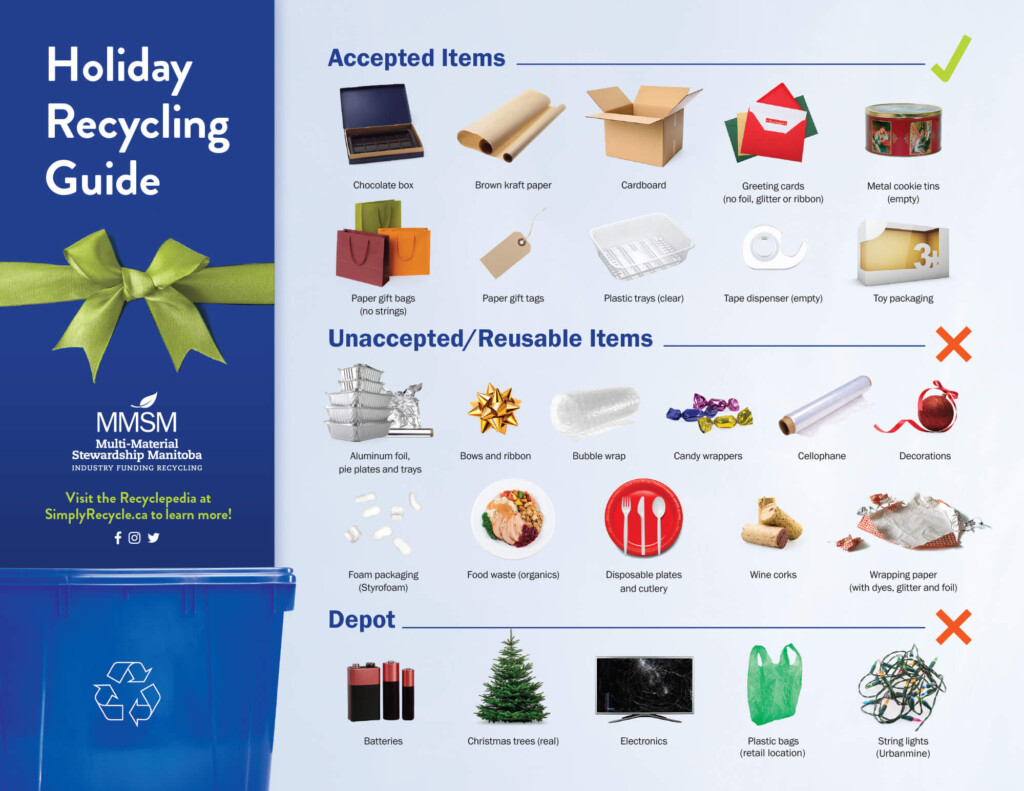
- Familiarize yourself with what items can and can’t go into your blue bin. If your child is learning about recycling in school, being proactive about it in the home will help teach them as well. Visit the Recyclepedia or download a recycling guide to post on your fridge!
- Start a compost for food scraps at home. Composting is a great way to give nutrients back into our gardens and give our food scraps a second purpose.
- Does your child’s school have a recycling or a compost program in place? If not, ask their teachers if it’s possible to start one! Recycling happens in more places than just the home.
- If your child has a passion for recycling and the environment, get them to participate in their school’s environmental team! If there isn’t one in place, encourage your kids to talk to their teachers and see if it’s possible to start one up!
Backyard Recycling in Manitoba
Whether you like to plant flowers, vegetables, or herbs, or work on projects in the yard, summer season is in full swing. But what do you do with the extra plastic and packaging once you’re done setting everything up? Here’s a list of items commonly used in the yard and how you can recycle them in Manitoba.

Where to recycle building materials
Once you’re finished making your back yard beautiful, Habitat for Humanity will accept some building materials for donation. For more details, visit their website. You can also drop off certain building materials at any of Winnipeg’s 4R Depots.
If you live in Brandon, there are drop-off locations specifically for building materials at the Eastview Landfill. For more information, please visit their website. Building materials such as bricks and concrete tiles will be reused for road repair and construction.
If you live elsewhere in Manitoba, contact your local waste department to find out what options are available in the area.
Where to recycle ceramics
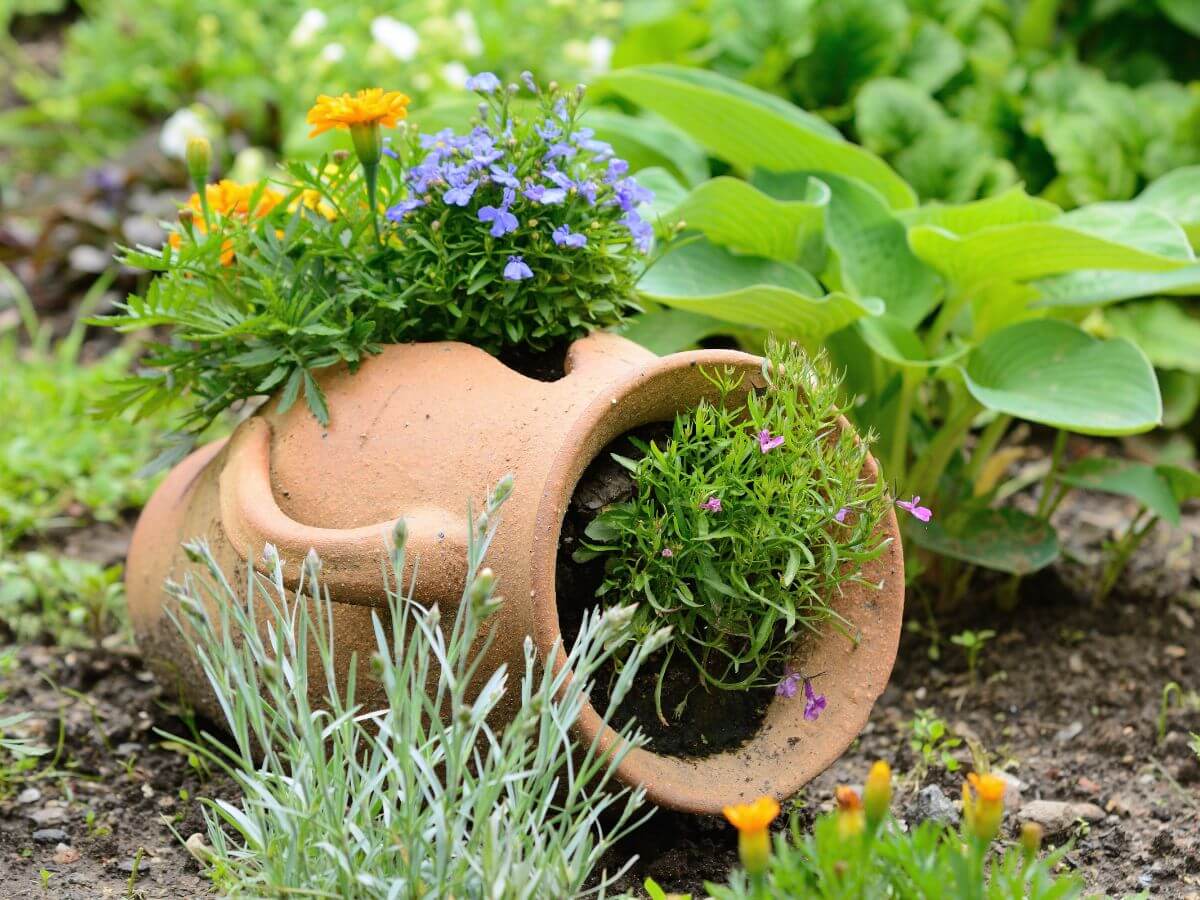
Ceramics such as garden decorations and plant pots are not accepted in your blue bin. You can donate your unwanted ceramics to a local second-hand store. The 4R Winnipeg Depots will also accept ceramics for recycling at any of their locations. The ceramics will be crushed and reused for roads and pads at Brady Resource Management Facility.
Where to recycle garden hoses
These aren’t accepted in your blue bin for recycling, as they get tangled up in the machinery and can cause delays at the Material Recovery Facility (MRF.) Donate hoses in working condition to a thrift store. If they don’t work, try posting them online for free.
Where to recycle Household Hazardous Waste (HHW)
When sprucing up the backyard, you may use some liquids that are classified as HHW. These are products with a hazard symbol, such as pesticides, pool and hot tub cleaner, and flammable liquids. These products are not accepted in your blue bin. To safely dispose of them, visit the Product Care Recycling website to see what products they take and find a drop-off location near you.
Where to recycle paint and paint cans
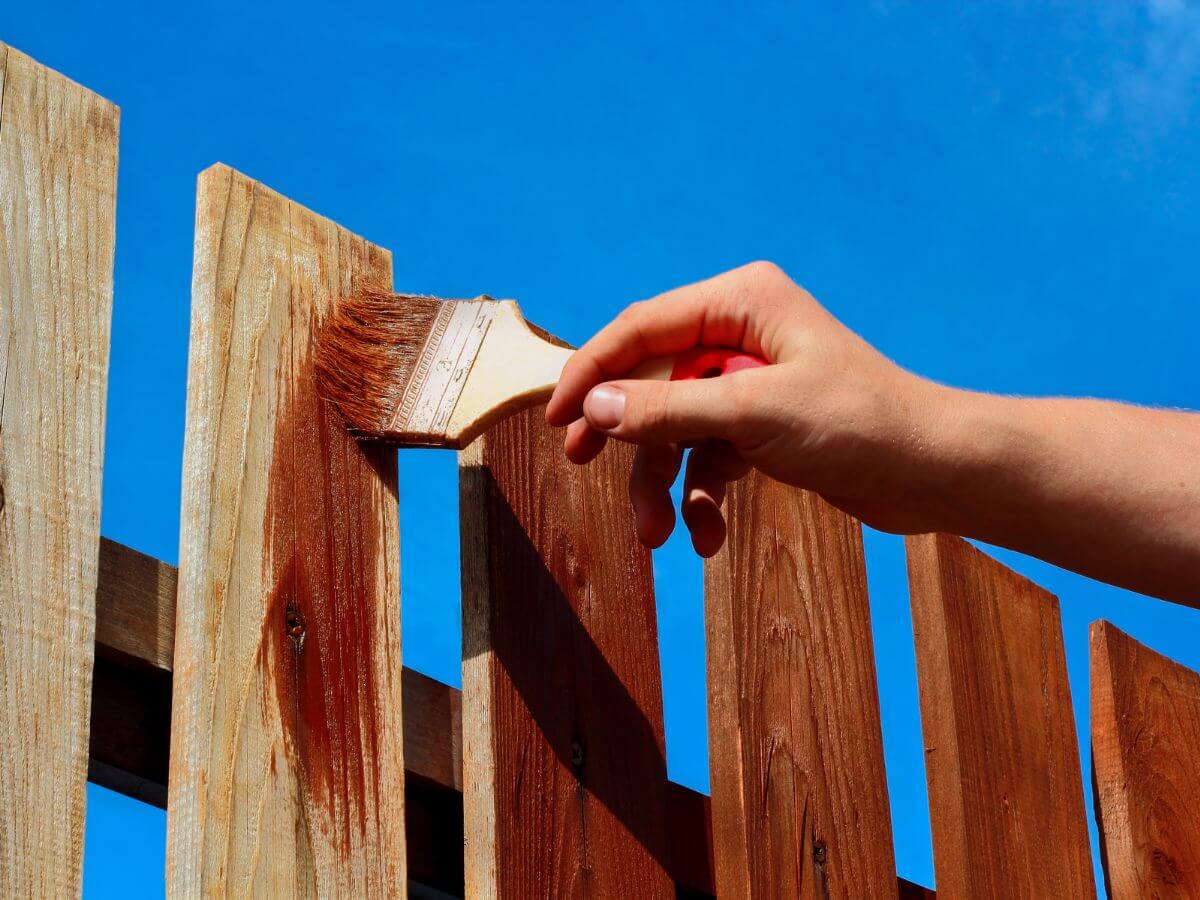
Paint cans aren’t accepted in your blue bin. If you’re doing any painting this summer, Product Care Recycling will safely dispose of leftover paint and recycle the cans for you. Please do not place paint cans in your blue bin. Read more about what types of paint their program accepts, and to find a drop-off location closest to you on their website.
Where to recycle plastic plant pots and other garden waste
- Plastic plant pots are not accepted in your blue bin. However, most greenhouses and nurseries will accept them for reuse. Contact your local greenhouse or nursery to see if they will take them. You can also donate them to a thrift store. The 4R Winnipeg Depots will accept these for recycling in their ‘Large plastics’ bins.
- Soil and rocks: residents can drop off their extra soil and rocks at any of the 4R Winnipeg Depots. The material will be reused as cover at the Brady Resource Management Facility.
- Soil and fertilizer bags: bags of any kind are not accepted in your blue bin for recycling.
Where to recycle or compost yard waste
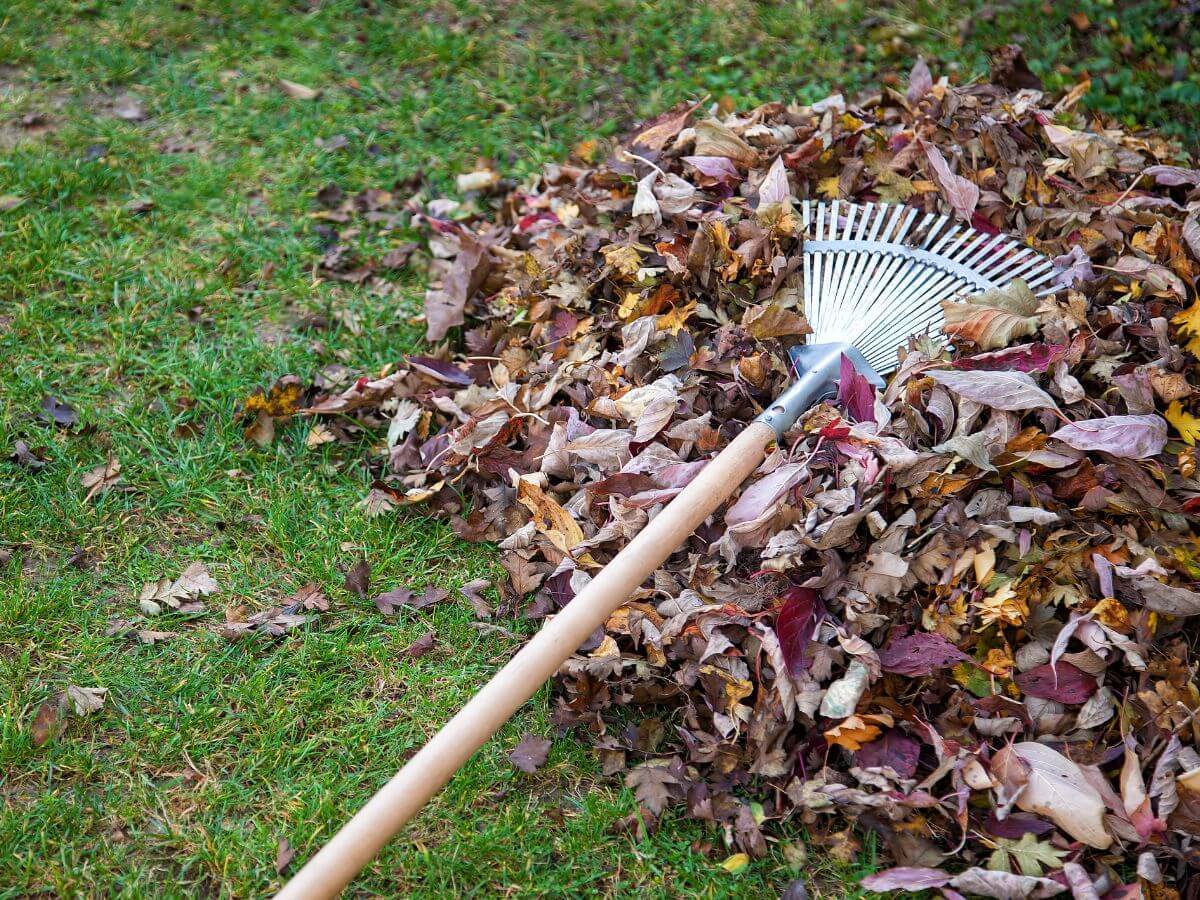
Yard waste is not accepted in your blue bin. However, the City of Winnipeg will collect yard waste biweekly with your cart collection. Grass clippings, shrub and bush clippings, and small branches (less than 10 cm in diameter) are accepted in the paper bags. The yard waste will be composted and reused. For more details, visit their website.
For residents outside Winnipeg, there are various locations to drop off your yard waste.
- City of Brandon
- City of Portage La Prairie
- City of Selkirk
- Other Manitoba residents can contact their local waste department for options.
Before placing anything in your blue bin, it’s important to check the Recyclepedia or with your local municipality first to see what is and is not accepted. Remember that recycling happens in all areas of the home, inside and out.
Happy gardening!
Tips For Tidying Up Your Home
Happy New Year! Most people associate the New Year with a new, fresh start. Netflix launched “Tidying Up with Marie Kondo” on January 1st and since then, the tidying craze has begun. Many of us have started to use the KonMari method as a way to clean up our home. Here are some tips on how to dispose of the items that no longer spark joy within you.
(more…)What is the Mobius Loop?
The Mobius Loop, or the recycling triangle, is known internationally as the universal recycling symbol. In Manitoba, when you see this symbol on your packaging, it doesn’t necessarily mean it’s recyclable. Instead, it’s more important to focus on what materials your municipality does and does not accept in the blue bin. (more…)
Recycle your soup and beverage cartons!
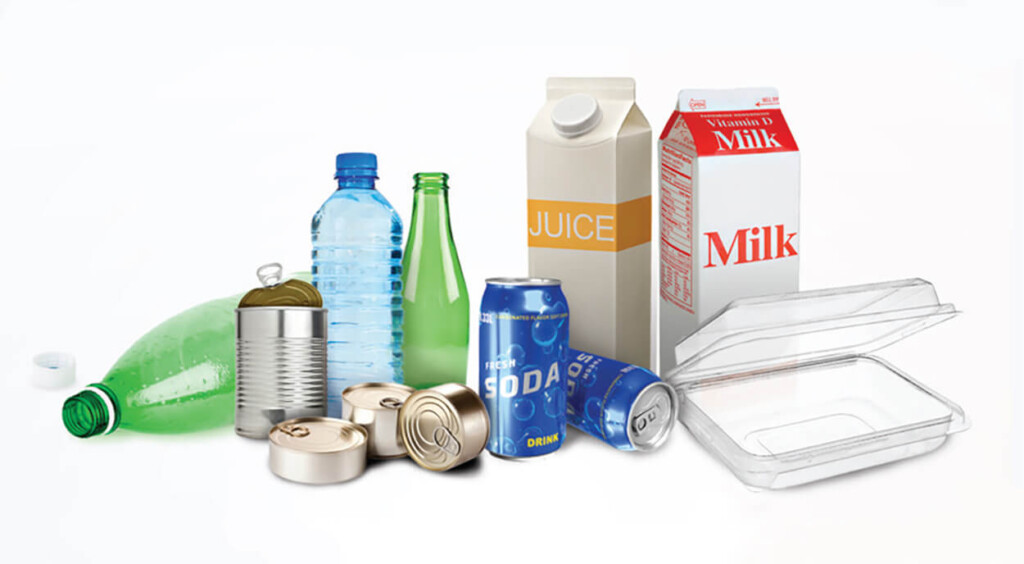
Cartons are recyclable and accepted in your blue bin in Manitoba. They’re made mainly from paper, with a thin layer of polyethylene (plastic) and sometimes aluminum. Milk and milk alternatives, juice, and soup/broth cartons are just some of the products packaged in cartons. You can also find cartons of dry goods like hash browns. They’re all accepted in your blue bin when empty. Recycled cartons are made into new products you use every day such as paper towels, tissues, napkins and writing paper.
What happens to cartons you recycle?
On collection day, recycling trucks throughout the province pick up recyclables and drop them off at a sorting facility. The facilities separate cartons from the mass of other recyclables (and contamination). In Winnipeg, they’re sorted automatically using infrared lights to identify them.
How are cartons recycled?
There are two uses for the materials that make up cartons: consumer products and building materials.
Use 1: Consumer products
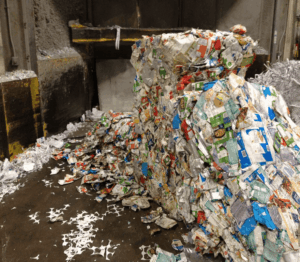
Once the cartons are baled, a truck takes them to a paper mill. Cartons go into a hydra pulper – essentially a giant blender – that uses water to help break cartons down into tiny pieces known as pulp. Machines at the mill separate the paper and any plastic and aluminum. Depending on the mill, they use pulp to make paper towel, tissue paper, office paper, or other paper products. The mill can use the residual plastic and aluminum as fuel to power the mill, or they can send it to a manufacturer who can use it to make ceiling tiles or wallboard.
Use 2: Building materials
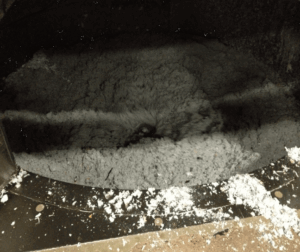
Instead of a paper mill, cartons can go to a manufacturer that turns cartons into building materials. They shred the cartons, then heat and press the pieces together into large sheets – think of a giant panini press, but for shredded cartons.
About 30 cartons can make a 2×2 foot ceiling tile, while roughly 400 cartons can make a sheet of wallboard.
Please put your cartons in the Blue Bin!
To learn more about carton recycling, visit the Carton Council of Canada.